
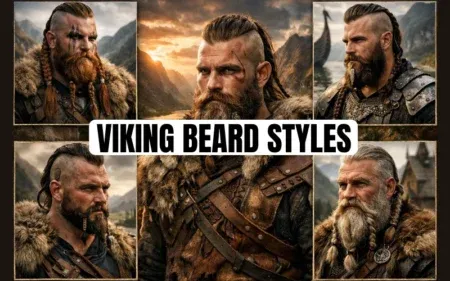
A fuller beard can create a strong appearance, but the length alone does not determine whether it looks well maintained. hairstylespark.com offers ideas for exploring beard styles and learning how different shapes can work with natural facial hair. Some full beards look best with rounded edges, while others suit a more structured outline around the cheeks and jaw. Growth patterns make a difference because the hair may be thick around the chin but lighter across the upper cheeks. The moustache may also grow faster than the rest of the beard, creating extra maintenance around the mouth. These details are easier to manage when the style has a clear purpose from the beginning. A fuller beard does not need to look perfectly symmetrical or professionally styled every day. It needs a shape that suits the face, stays comfortable, and can be maintained without too much effort. Understanding length, density, and basic grooming can help you make better choices before trimming.
Understanding Full Beard Shapes
A full beard usually covers the cheeks, chin, jawline, and moustache area, although the exact shape varies between styles. Some men prefer a rounded lower edge that follows the natural curve of the chin. Others choose a more squared outline to create a defined appearance around the jaw. A tapered beard gradually becomes shorter near the sideburns, creating a smoother connection with the hairstyle. Longer beards may have more visible volume below the chin, while shorter full beards keep the overall shape closer to the face. The right option depends on the density of the hair and how the beard grows naturally. A very sharp outline may require frequent trimming, while a softer shape can be easier to maintain between barber visits. Think about the appearance you want from the front and side before choosing. A beard should look reasonably balanced from different angles, not only in one carefully arranged photograph. If you are uncertain about the shape, a barber can help establish a suitable outline before you begin maintaining it at home.
Growing Length With Patience
Growing a fuller beard requires patience because facial hair rarely develops at exactly the same speed across every area. The chin may become dense before the cheeks fill in, and the sideburns may need more time to connect with the rest of the beard. Trimming every uneven area too early can prevent you from seeing how the natural shape develops. If you are comfortable with the growth stage, allow the beard some time before making major changes. You can still remove stray hairs that cause discomfort, but avoid repeatedly shortening the entire beard whenever one section looks different. Growth varies from person to person, and genetics influence the density and pattern. No grooming routine can guarantee that every patch will fill in completely. Keeping the beard clean and avoiding unnecessary manipulation can make the growing period easier. If you prefer a tidy appearance during this stage, ask a barber for a light maintenance trim that preserves most of the length. This approach can help you manage the shape without sacrificing the progress you have made.
Controlling Bulk Around The Jaw
A full beard can become bulky around the jaw when the hair grows outward rather than following the face. This is especially noticeable with coarse or curly beard hair, which may create extra volume even when the actual length is moderate. Removing too much hair from the sides can make the beard look narrow, so it is better to approach shaping gradually. A comb can help reveal the direction of growth before trimming. Use a guard to reduce excess length evenly, then check the result from the front and side. Some men prefer fuller sides because they create a broad appearance, while others want the beard closer to the face. Neither approach is automatically correct. The choice depends on face shape, hair texture, and personal preference. If the bulk is difficult to manage, a barber can thin or shape the beard without removing as much overall length. Avoid cutting deeply into the beard with scissors when you cannot clearly see how the hair will fall afterward. Small adjustments are safer and easier to review.
Maintaining A Strong Neckline
A full beard often needs a clear neckline because longer growth can extend well down the neck. If the lower hair becomes too bulky, the beard may appear less defined around the jaw. However, removing too much hair can make the beard look disconnected or unusually short beneath the chin. The right boundary depends on your facial structure and preferred shape. Ask a barber to establish a suitable neckline if you have never shaped one before. When maintaining it at home, stand naturally and check the area with a mirror before trimming. Do not judge the position while stretching your neck because that changes the shape of the skin. Remove hair slowly and leave enough coverage to preserve the connection between the beard and jaw. A full beard may not require the same frequent neckline maintenance as a sharply defined short beard, especially if you prefer a natural finish. The important thing is to keep the lower edge intentional rather than allowing unwanted neck growth to change the overall outline.
Keeping Cheeks Looking Balanced
The cheek area can influence how wide or narrow a full beard appears. Men with dense cheek growth may prefer a higher natural line that preserves coverage. Those with sparse upper cheeks may choose a slightly lower line that follows the areas where hair grows more consistently. It is usually unnecessary to remove a large amount of hair simply to create a perfectly straight boundary. Natural cheek lines can look attractive when they are tidy without appearing overly sharp. Before trimming, identify the existing growth pattern and decide how much cleanup is actually needed. Use a clean trimmer and remove only the hairs that fall outside the chosen line. If the two sides are not identical, avoid making repeated corrections in an attempt to achieve exact symmetry. That process can gradually lower one side more than the other. When making a substantial change, consider having a barber shape the cheeks first. Once the main outline is established, light maintenance can preserve the appearance without requiring a complete reshape every time.
Caring For Longer Beard Hair
Longer beard hair needs attention because it can collect dirt, tangle, and become dry along the ends. Washing should remove sweat and residue without leaving the skin and hair uncomfortable. Choose a cleanser that suits your skin and use it according to your daily activities. Rinse thoroughly, especially beneath the chin and around thicker sections where product can remain trapped. Pat the beard dry with a clean towel and avoid aggressive rubbing that may create tangles. A beard comb can help separate the hair gently, starting near the ends when knots are present. Conditioner may improve softness and make longer hair easier to manage. Some people also find beard oil helpful for reducing dryness, but a small amount is usually enough. Products do not need to be applied heavily to produce a noticeable effect. If the beard becomes greasy, itchy, or irritated, review the quantity and ingredients you are using. A comfortable grooming routine should keep the hair manageable without leaving a thick layer of product on the skin.
Choosing Useful Grooming Tools
The right tools depend on the length and texture of your beard rather than the number of products advertised for men. An adjustable trimmer is useful for controlling length and cleaning up the edges. A comb can help guide longer hair, while grooming scissors allow small corrections around the moustache and stray ends. A suitable cleanser and optional conditioner may cover most ordinary washing needs. A brush can be helpful for some beard textures, but it is not essential for every person. Choose tools that feel comfortable to use and can be cleaned easily after grooming. Check the instructions for electrical equipment before washing or storing it. Dull or damaged blades may pull hair and create an uncomfortable trimming experience. Replacing worn parts when needed can improve control and reduce frustration. Avoid purchasing a large kit simply because it includes many accessories. A few useful tools that match your beard are generally more practical than equipment you rarely use. If you are unsure what to buy, begin with the basics and add items only when you discover a genuine need.
Managing The Moustache Area
A full beard can look untidy around the mouth when moustache hair becomes too long or begins covering the upper lip. Some men prefer a thick moustache that blends naturally into the beard, while others like a cleaner edge for everyday comfort. Comb the moustache downward before trimming so the longer strands become easier to identify. Use small scissors to remove only the hairs that interfere with eating or speaking. Cutting a large section at once can leave the moustache uneven and difficult to correct. If you prefer a fuller appearance, keep the trimming conservative and review the result from the front. The moustache may grow at a different rate from the cheeks, so it can need attention more frequently. You do not need to shorten the entire beard whenever the moustache becomes difficult to manage. Keeping these areas separate in your routine helps preserve the beard’s overall length. Small, careful adjustments usually create a cleaner result without changing the style you originally chose.
Avoiding Over-Trimming Problems
Over-trimming is a common problem when maintaining a fuller beard at home. A person may notice one uneven section, shorten it, and then remove more hair from the surrounding areas to match. After several adjustments, the entire beard can become shorter than intended. This is particularly frustrating when the goal was to maintain length while removing only a few stray hairs. Before cutting, decide whether the problem is caused by excess length, uneven growth, or hair that simply curls in a different direction. Combing the beard first can reveal whether trimming is actually necessary. Use a longer guard for the initial pass and check the result before making further changes. Avoid cutting when you are rushed or working in poor lighting. If the beard has become significantly uneven, a professional trim may restore the overall shape more effectively than repeated home corrections. Remember that longer hair takes time to grow back, so a conservative approach is usually sensible. You can always remove a little more later.
Conclusion
A fuller beard can look balanced and distinctive when its length, cheek lines, neckline, and moustache are maintained carefully. The most suitable shape depends on natural growth, hair texture, face shape, and how much grooming you are willing to do. Grow the beard patiently, use suitable tools, and avoid removing large amounts of hair while correcting small imperfections. Explore different full beard styles, choose a shape that feels right for your features, and build a routine that keeps your beard clean, comfortable, and well maintained.
Read also :-