


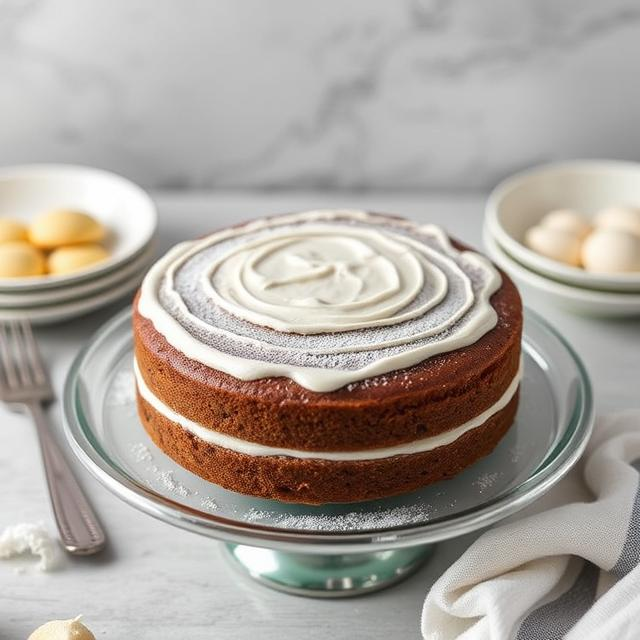
Baking a cake is one of those delightful activities that can make any occasion feel special. Whether you’re celebrating a birthday, an anniversary, or just want to enjoy a homemade treat, knowing how to bake a cake is a great skill to have in the kitchen. It’s a creative and rewarding process that allows you to experiment with flavors, textures, and decorations. If you’ve been wondering how to bake a cake, look no further! This guide will walk you through the basic steps, tips, and tricks for creating a cake that will wow your friends and family.
In this article, we’ll explore the essential ingredients, equipment, and techniques needed to bake a cake from scratch. Plus, we’ll answer some common questions along the way to ensure you feel confident about how to bake a cake. By the end, you’ll have a delicious, homemade cake that’s perfect for any occasion.
Step 1: Gather Your Ingredients
Before you dive into how to bake a cake, the first step is to gather all the ingredients you’ll need. While there are many types of cakes you can make, most basic cake recipes share common ingredients:
-
Flour – All-purpose flour is typically used in cake recipes. It gives the cake structure and texture. For fluffier cakes, you can use cake flour, which has a lower protein content.
-
Sugar – Granulated sugar is the most common type used in cakes. It sweetens the cake and helps create a tender crumb.
-
Eggs – Eggs bind the ingredients together and provide moisture. They also help the cake rise and give it structure.
-
Butter or Oil – Fat helps to tenderize the cake and add richness. You can use butter for a rich flavor or oil for a moist texture.
-
Baking Powder or Baking Soda – These leavening agents make your cake rise. Baking powder is typically used for cakes that don’t include acidic ingredients, while baking soda is used in recipes with acidic elements like buttermilk.
-
Milk – Milk adds moisture and helps create a soft texture.
-
Vanilla Extract – This ingredient adds flavor and depth to the cake.
Once you’ve gathered all of these ingredients, you’ll be ready to start learning how to bake a cake.
Step 2: Prepare Your Equipment
The right equipment is crucial when learning how to bake a cake. Here’s a list of what you’ll need:
-
Mixing Bowls – You’ll need at least two bowls, one for dry ingredients and one for wet ingredients.
-
Measuring Cups and Spoons – Accurate measurements are key to baking, so make sure you have the right measuring tools.
-
Electric Mixer or Whisk – If you don’t have an electric mixer, a whisk can do the job. However, an electric mixer will save you time and effort.
-
Cake Pans – For most cake recipes, you’ll need either one or two round cake pans, or a rectangular one depending on the recipe.
-
Cooling Rack – After baking, you’ll need a cooling rack to allow the cake to cool evenly without becoming soggy.
-
Spatula – A spatula is great for scraping down the sides of the bowl and smoothing the batter into the pans.
-
Oven – Of course, you’ll need an oven to bake your cake. Make sure your oven is preheated to the correct temperature before you start.
With your ingredients and equipment in place, you’re ready to move on to the next step in how to bake a cake.
Step 3: Prepare the Cake Pans
One of the most important steps in how to bake a cake is preparing your cake pans. Properly preparing your pans ensures that your cake doesn’t stick and comes out cleanly. Here’s what to do:
-
Grease the Pans – Use butter or cooking spray to grease the inside of the pans. This helps the cake slide out easily once it’s baked.
-
Flour the Pans – After greasing the pans, lightly dust them with flour. This will further prevent sticking. To do this, sprinkle a little flour into the pan, then tap it to ensure the flour is evenly distributed.
-
Line with Parchment Paper (Optional) – For extra assurance that your cake will come out perfectly, you can line the bottom of the pan with parchment paper. This is especially helpful if you’re making a cake with a delicate crumb.
Now that the pans are prepared, let’s move on to the next stage of how to bake a cake.
Step 4: Mix the Ingredients
The mixing stage is where the magic happens! Mixing the ingredients properly is key to achieving the perfect cake. Here’s how to do it:
-
Combine Dry Ingredients – In a separate bowl, sift together the flour, baking powder, and any other dry ingredients. Sifting is important because it helps evenly distribute the leavening agents and ensures there are no clumps in the flour.
-
Cream the Butter and Sugar – In another bowl, use an electric mixer or whisk to cream together the butter and sugar until light and fluffy. This process helps incorporate air into the batter, which is important for creating a light, airy cake.
-
Add Eggs – Once the butter and sugar are creamed together, add the eggs one at a time, mixing well after each addition. This helps the eggs fully incorporate into the batter, ensuring a smooth texture.
-
Alternate Adding Dry Ingredients and Wet Ingredients – Begin adding the dry ingredients to the wet ingredients in small batches, alternating with the milk. Start with the dry ingredients and finish with them. Mix until just combined. Be careful not to overmix, as this can result in a dense cake.
-
Add Vanilla Extract – Finally, add the vanilla extract and mix until fully combined.
With the batter prepared, you’re now ready to move on to how to bake a cake.
Step 5: Pour the Batter into the Pans
Once the batter is mixed, it’s time to pour it into the prepared pans. Divide the batter evenly between the two pans (if you’re making a layered cake), or pour it into a single pan if you’re making a sheet cake. Use a spatula to smooth the top of the batter, ensuring it’s evenly distributed.
Now that the batter is in the pans, it’s time to bake the cake.
Step 6: Bake the Cake
The baking time will vary depending on the size and type of cake you’re making, but most cakes will bake at around 350°F (175°C). Here’s what to do:
-
Place the Pans in the Oven – Place the pans on the middle rack of the oven to ensure even heat distribution.
-
Bake the Cake – Bake the cake for the time specified in your recipe, usually between 25 to 35 minutes. Keep an eye on the cake, but avoid opening the oven door too often, as this can cause the cake to collapse.
-
Test for Doneness – To check if the cake is done, insert a toothpick or cake tester into the center of the cake. If it comes out clean or with just a few crumbs clinging to it, the cake is done. If it’s still wet, let it bake for a few more minutes.
Once the cake is baked, it’s time to remove it from the oven and cool it.
Step 7: Cool the Cake
Allow the cake to cool in the pans for about 10 minutes. This will help it firm up and make it easier to remove from the pans. After 10 minutes, carefully remove the cakes from the pans and place them on a cooling rack. Let the cakes cool completely before you start frosting or decorating.
Step 8: Frost and Decorate the Cake
Now that the cake has cooled, you can add frosting or decorations. Here’s a simple guide for how to bake a cake with frosting:
-
Frost the Cake – Use a buttercream frosting, cream cheese frosting, or your favorite frosting recipe. Spread a layer of frosting over the top of the first layer of cake, then stack the second layer on top. Frost the top and sides of the entire cake.
-
Decorate – Decorate the cake with sprinkles, fresh fruit, or piping designs. The possibilities are endless when it comes to decorating your cake, so feel free to get creative.
Step 9: Serve and Enjoy
Once the cake is decorated to your liking, it’s time to serve and enjoy! Slice the cake into portions and share with friends and family. Nothing beats the satisfaction of enjoying a cake you’ve made from scratch.
Conclusion
Now that you know how to bake a cake, you can confidently tackle any cake recipe. Baking a cake is a fun and rewarding experience, and with a little practice, you can master the art of cake-making. Whether you’re making a simple vanilla cake or a decadent chocolate creation, the key is using quality ingredients, mixing carefully, and taking your time.
With these steps, you’ll be able to bake cakes that are moist, flavorful, and perfectly baked every time. Happy baking, and enjoy your homemade cake.