


In the digital age, tipping has taken on a whole new format. What once was done with cash at a restaurant or coffee shop is now more often done through digital payment systems. Many apps and platforms have introduced an option for tipping directly on a tip option screen. This innovation has made the tipping process easier for customers while also offering businesses an opportunity to improve customer service and satisfaction.
Whether you’re a customer looking to understand how the tip option screen works, or a business owner trying to optimize this feature, this guide will walk you through everything you need to know. We’ll explore the importance of the tip option screen, how it functions, and why it’s become an essential part of modern commerce.
What Is the Tip Option Screen?
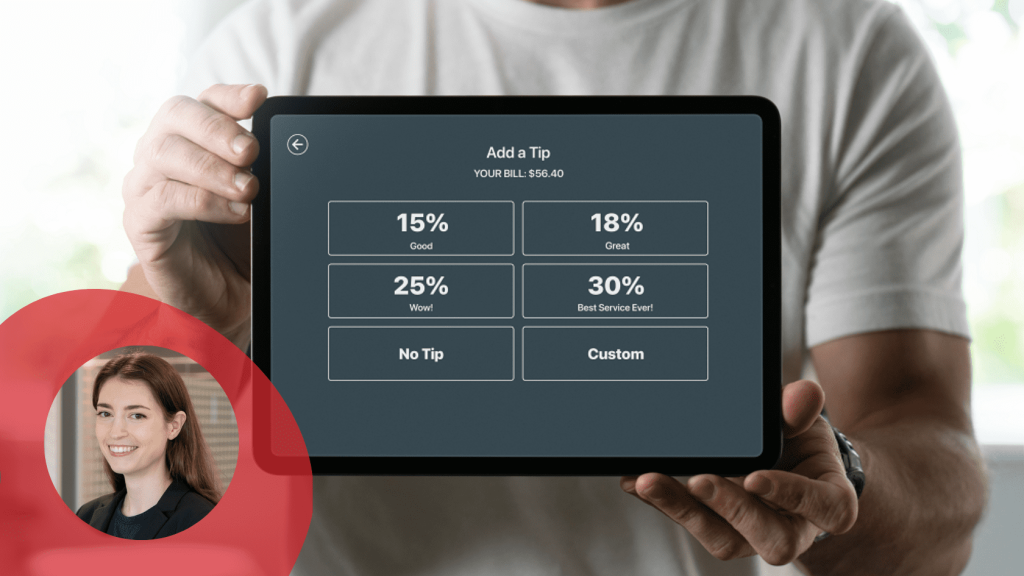
The tip option screen is a part of a digital payment interface where customers can select how much they would like to tip a service provider. This screen typically appears after the customer has completed their purchase or payment, allowing them to add a gratuity to their total amount.
For example, when paying for food delivery through an app, the tip option screen may appear after you enter your payment information. On this screen, you’ll be presented with different tip amounts (such as 10%, 15%, 20%) or the option to enter a custom amount. This user-friendly interface simplifies the tipping process for both customers and businesses.
How Does the Tip Option Screen Work?
The tip option screen functions by offering several preset tip percentages based on the total amount of the transaction. For example, if your bill is $50, the screen might offer you the options of tipping 10%, 15%, or 20%. You can choose one of these amounts or input a custom value that better suits your preferences.
Once you’ve selected the tip amount, the system will automatically update the total transaction amount, which is then charged to your card or digital wallet. This simple process ensures that tipping is integrated seamlessly into the overall payment process.
For businesses, the tip option screen is a great way to encourage customers to leave a gratuity, especially in industries where tips are a significant part of employees’ earnings, such as hospitality or delivery services.
Why Is the Tip Option Screen Important?
-
Convenience for Customers:
The tip option screen makes it easy for customers to leave a tip without needing to fumble for cash or calculate percentages on their own. With just a few taps, customers can express their gratitude and support the workers who helped them. -
Increased Tips for Businesses:
For businesses, the tip option screen can increase overall tips because it prompts customers to leave a gratuity. Many customers may feel more inclined to leave a tip if it’s presented in a clear, straightforward way. -
Encouraging Fair Compensation:
The tip option screen also allows businesses to ensure their employees are fairly compensated, particularly in industries like food delivery or ridesharing, where workers rely heavily on tips for income. -
Seamless Integration with Digital Payment Systems:
As more people use digital payment methods, the tip option screen fits perfectly into this trend. It integrates easily with platforms like Square, PayPal, and Apple Pay, streamlining the process for both businesses and customers.
How to Optimize the Tip Option Screen for Your Business
If you’re a business owner, there are several ways you can optimize the tip option screen to improve customer experience and maximize gratuities.
-
Offer a Range of Tip Percentages:
Including preset tip amounts like 10%, 15%, and 20% is a great start. But also consider offering an option for customers to enter a custom tip amount. This flexibility allows people to tip what they feel is fair and encourages higher gratuities. -
Make the Tip Option Screen Easy to Navigate:
The tip option screen should be simple and easy to navigate. Don’t overwhelm customers with too many options or confusing instructions. Make sure the tip amounts are clearly displayed, and the process is as streamlined as possible. -
Add Visuals for Better Engagement:
Adding visuals, such as icons or graphics that represent a friendly or personalized touch, can make the tip option screen more engaging. For example, a friendly message like “Thank you for your support!” can create a positive atmosphere. -
Set Default Tip Amounts Based on Industry Norms:
For restaurants, a 15%-20% tip is typical. For delivery services, the default tip amount might be lower. Setting default values based on industry standards can help customers quickly choose a tip that feels appropriate, without needing to make complex decisions. -
Ensure Mobile Compatibility:
With more people using mobile devices to make payments, ensure that the tip option screen is mobile-friendly. This includes optimizing for different screen sizes, ensuring that the tip options are clear, and making the button easy to tap. -
Integrate Tipping Options with Loyalty Programs:
If your business offers a loyalty program, consider integrating the tip option screen with it. This could mean offering loyalty points for every tip given, or giving customers a chance to redeem their points for discounts on tips.
The Psychology Behind the Tip Option Screen
Why does the tip option screen have such a big impact? The answer lies in psychology. Research has shown that when people are given predefined options for tipping, they are more likely to tip than when they are left to decide the amount on their own.
A study by the University of California, Berkeley, found that when restaurants offer three preset tip amounts (usually 15%, 18%, and 20%), customers tend to leave higher tips on average than when given only two options. This is because people tend to gravitate towards the middle ground, and having options like 15% and 20% helps to nudge them towards a higher amount.
The tip option screen also plays into the concept of social proof. If customers see that tipping is easy and encouraged, they may be more likely to follow suit and leave a tip themselves. This works especially well if the screen is integrated into a positive, customer-friendly payment process.
Common Mistakes to Avoid with the Tip Option Screen
-
Too Many Choices:
While offering custom tip amounts is essential, providing too many preset options can overwhelm customers. Stick to a few popular percentages to keep it simple. -
Poor Design and Usability:
A confusing or cluttered tip option screen can discourage customers from tipping at all. Ensure the screen is intuitive, with clear instructions and easy navigation. -
Forgetting to Include a Tip Reminder:
Some digital payment systems may not automatically prompt for a tip. Always ensure your tip option screen displays at the appropriate moment in the checkout process. -
Lack of Personalization:
Personalizing the tip option screen can significantly enhance the experience. A message like “Thank you for supporting our workers!” can make customers feel appreciated and encourage tipping. -
Not Testing the System:
Regularly test your tip option screen to ensure it works correctly across all devices and payment methods. A malfunctioning screen could result in lost tips and frustrated customers.
The Future of the Tip Option Screen
As cashless payments continue to rise, the importance of a user-friendly tip option screen will only grow. We’re likely to see more businesses using advanced tipping features like:
-
Customizable percentages: Allowing businesses to adjust tip amounts based on the service provided.
-
Automatic tipping: In some cases, customers may opt-in for automatic tipping, where a percentage is automatically added to their bill.
-
Subscription-based tipping: As services like ridesharing or food delivery continue to evolve, the option for customers to automatically tip over time might become more common.
Conclusion
The tip option screen is a simple but powerful tool that bridges the gap between customers and businesses. Whether you’re a customer who wants a fast and easy way to leave a tip, or a business owner seeking to boost gratuities, the tip option screen offers a seamless experience for all parties involved.
By optimizing this tool, you can ensure that your business thrives while also providing excellent service to your customers. As we move further into a digital-first world, the tip option screen will continue to evolve, but one thing will always remain: it’s an essential part of modern commerce.