


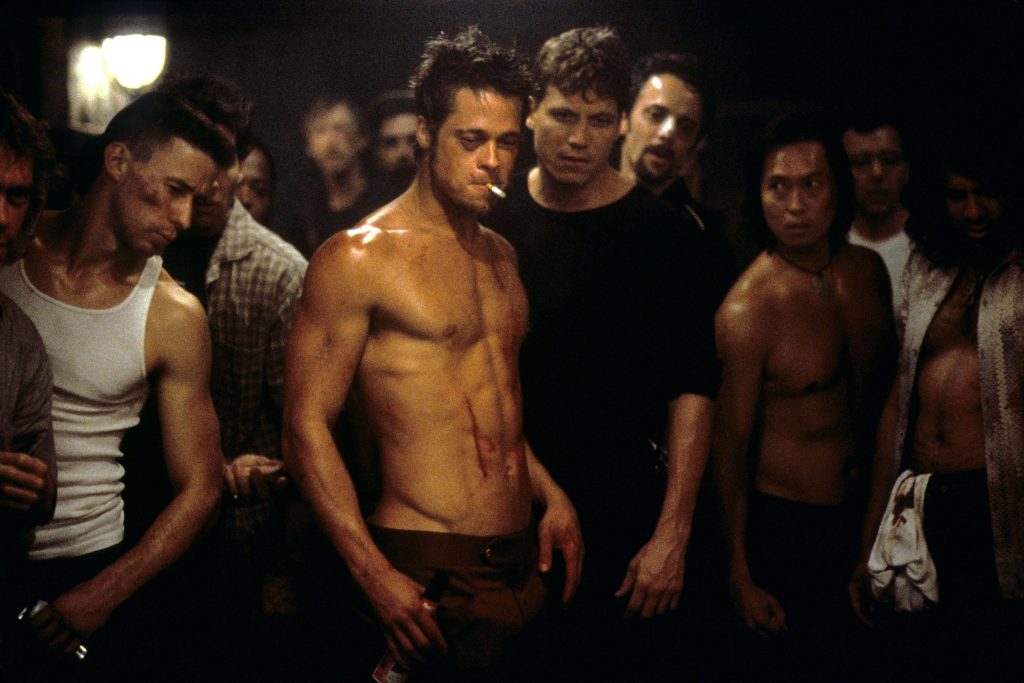
If you’ve ever heard the phrase “The first rule of Fight Club is, you do not talk about Fight Club,” then you’re already familiar with one of the most iconic movies of the late 20th century. Directed by David Fincher and based on the novel by Chuck Palahniuk, Fight Club was released in 1999 and has since become a cult classic. But, like many films that gain this kind of cult status, Fight Club can be a bit polarizing. For some, it’s a masterpiece that pushes the boundaries of storytelling, while for others, it’s a confusing and violent film that leaves little to be admired.
So, the question remains: Should you watch Fight Club? In this article, we’ll break down the film’s appeal, explore its themes, and help you decide if it’s the right movie for you.
What is Fight Club About?
At its core, Fight Club is a psychological drama that explores themes of consumerism, identity, masculinity, and personal freedom. The story follows an unnamed narrator (played by Edward Norton) who is struggling with insomnia and dissatisfaction with his mundane, consumer-driven life. He attends support groups for various ailments in an effort to relieve his stress and feel some connection with others. Eventually, he meets the charismatic and anarchistic Tyler Durden (played by Brad Pitt), who shares his disillusionment with modern society.
Tyler and the narrator start a fight club as a way for men to release their frustrations with life. The idea is simple: Men come together to fight in a controlled environment, with the goal of purging their pent-up emotions and reclaiming their masculinity. As the club grows, however, Tyler’s ideals begin to take a more dangerous turn, and the narrator’s life spirals into chaos.
Why is Fight Club So Popular?
Fight Club is not a typical film, and that’s a major part of its appeal. The movie is a complex web of ideas, emotions, and symbolism that require viewers to engage critically with the material. Here are a few reasons why Fight Club continues to be popular, even decades after its release:
1. Its Bold Critique of Consumerism
One of the most notable themes in Fight Club is its critique of consumer culture. The film explores how modern society encourages people to define their worth based on material possessions, status, and outward appearances. Tyler Durden’s philosophy—rejecting the pursuit of materialism in favor of embracing chaos and self-destruction—may seem extreme, but it resonates with anyone who feels overwhelmed by societal pressures.
The idea that “you are not your job, you are not the contents of your wallet” is a central message of the film. Fight Club challenges viewers to think critically about how much of their identity is tied to their possessions, their careers, and their outward appearance.
2. A Deep Exploration of Masculinity
The portrayal of masculinity in Fight Club is both fascinating and unsettling. The men who participate in the club are seeking to reclaim what they believe to be lost in modern society—strength, power, and control. However, the film also questions whether these qualities are truly worth pursuing and whether traditional notions of masculinity are ultimately harmful.
The film’s exploration of toxic masculinity, identity, and the search for meaning in a world that often feels hollow is one of the reasons why Fight Club resonates with so many viewers. The film doesn’t offer easy answers but rather presents a complex portrayal of the struggles that many men face in modern society.
3. Stunning Visual Style and Direction
David Fincher, the director of Fight Club, is known for his meticulous attention to detail and striking visual style. Fight Club is no exception. The film’s aesthetic—gritty, raw, and dark—perfectly matches the tone of the story. Fincher uses unconventional techniques, such as the famous “flashing” shots and the clever use of narration, to create a sense of unease and tension.
The cinematography is beautifully unsettling, and the overall design of the film contributes to its message. The movie’s aesthetic helps reinforce the themes of disillusionment, chaos, and alienation.
4. The Twist
Without giving away too much, Fight Club features one of the most memorable plot twists in cinematic history. The twist is so iconic that it’s become a part of the cultural lexicon. While you may have heard about the twist even if you haven’t seen the movie, experiencing it for yourself is an essential part of understanding why Fight Club has had such a lasting impact.
The twist adds layers of complexity to the film, making it more than just a story about fight clubs and rebellion. It challenges the way you interpret the events of the film, and upon rewatching, you may notice things you missed the first time around.
What Are the Pros of Watching Fight Club?
Now that we’ve established why Fight Club is so popular, let’s dive into the benefits of watching it.
1. Thought-Provoking Themes
If you enjoy films that make you think and question societal norms, Fight Club is a great choice. The movie tackles big issues like consumerism, identity, and the nature of masculinity. It encourages viewers to look beyond surface-level appearances and explore deeper existential questions.
The film can inspire discussions on whether we, as individuals, are too focused on material wealth and whether we should redefine what it means to be truly free. It’s a film that stays with you long after the credits roll, making you reflect on your own life and the world around you.
2. Excellent Performances
The performances of Edward Norton and Brad Pitt are two of the most memorable aspects of Fight Club. Norton’s portrayal of the conflicted narrator is nuanced and compelling, while Pitt’s performance as the charismatic and anarchistic Tyler Durden is captivating. The chemistry between the two actors elevates the film and adds depth to the complex relationship between their characters.
The supporting cast, which includes Helena Bonham Carter as Marla Singer, also delivers strong performances that help bring the world of Fight Club to life.
3. Cultural Significance
Fight Club has had a lasting impact on popular culture. The film’s lines, ideas, and visuals have been referenced and parodied in countless movies, television shows, and memes. Watching Fight Club gives you a chance to understand why it became such a cultural phenomenon.
If you’re a fan of movies that leave a lasting legacy, Fight Club is one that you should experience. It’s a film that has influenced the way we think about cinema and the world around us.
What Are the Cons of Watching Fight Club?
While Fight Club has many strengths, there are some drawbacks to consider before deciding whether or not to watch it.
1. Violence and Disturbing Content
Fight Club is a violent and intense film. The fight scenes are graphic, and the film doesn’t shy away from showing disturbing imagery. If you’re sensitive to violence or have a low tolerance for graphic content, this movie may not be the best choice for you.
Additionally, the film’s portrayal of violence as a form of self-expression and catharsis can be troubling. While it serves as a critique of certain societal ideals, some viewers may find the glorification of violence unsettling.
2. Confusing Plot and Complex Themes
The film’s nonlinear structure and complex themes can make it difficult to follow at first. If you’re not used to films that challenge your understanding of reality, you might find the narrative confusing or disorienting. The twist at the end can also be jarring if you haven’t paid close attention to the film’s subtleties.
While many people find the complexity of Fight Club rewarding, others may feel frustrated by its ambiguity and lack of clarity.
3. Dark and Cynical Tone
Fight Club is undeniably dark and cynical. The film’s outlook on society is bleak, and its characters are often morally ambiguous. If you prefer more uplifting or optimistic films, Fight Club might feel overwhelming or depressing.
Conclusion: Should You Watch Fight Club?
Whether or not you should watch Fight Club depends on what you’re looking for in a film. If you enjoy movies that make you think critically about societal norms, masculinity, and identity, Fight Club is a must-watch. It’s an iconic film that has sparked countless debates and discussions about its themes and messages.
However, if you’re sensitive to violence or prefer movies with clear narratives and uplifting messages, you may want to skip Fight Club. The film is not for everyone, and its dark themes and graphic content can be difficult for some viewers to handle.
In the end, Fight Club is a film that will challenge you, provoke you, and leave you with lingering thoughts. If you’re ready to dive into a world of complex ideas and unforgettable performances, then Fight Club might just be the film you’ve been looking for.
Know More: