


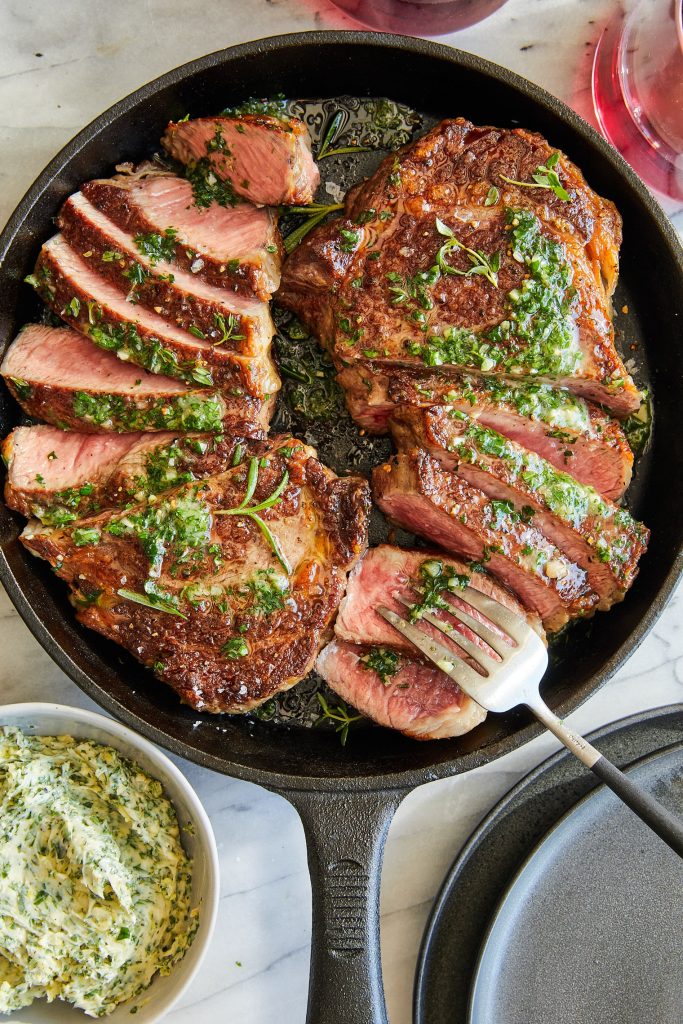
When it comes to indulgent, satisfying meals, few things hit the spot like a perfectly cooked steak. Whether you’re a casual fan who enjoys the occasional sizzling sirloin, or a dedicated carnivore always on the hunt for your next prime cut, there’s no denying the timeless appeal of steak.
But with so many different cuts available and conflicting opinions about how often it should be eaten, it’s natural to have questions: What kind of steak should I choose? How often is it okay to eat steak? What’s healthiest? What’s the most flavorful? Don’t worry—we’re diving into all that and more.
What Is a Steak, Exactly?
Let’s start at the beginning. A steak is a cut of meat—most commonly beef—sliced perpendicular to the muscle fibers. This allows it to be cooked quickly using high heat methods like grilling, broiling, or pan-searing. The high-heat cooking brings out the natural flavors and creates that iconic seared crust meat-lovers crave.
While beef is the most popular option, other meats like pork, tuna, and even cauliflower can be prepared “steak-style.” But in this article, we’re focusing on the good old-fashioned steak that comes from a cow.
Popular Cuts of Steak: Which One’s Right for You?
There are many cuts of steak, and each has its own taste, texture, and best cooking method. Let’s look at the most common and delicious options available at your local grocery store or butcher.
1. Ribeye Steak
-
Flavor: Rich, juicy, and tender thanks to excellent marbling (intramuscular fat).
-
Best for: Grilling or pan-searing.
-
Perfect for: People who love bold, beefy flavor and don’t mind a little fat.
2. Filet Mignon
-
Flavor: Mild and buttery with a super tender texture.
-
Best for: Pan-searing or oven-roasting.
-
Perfect for: Those who want tenderness above all else.
3. New York Strip
-
Flavor: Meaty and slightly chewy with a tight grain and less marbling than ribeye.
-
Best for: Grilling or broiling.
-
Perfect for: A well-balanced steak that’s lean but flavorful.
4. Sirloin Steak
-
Flavor: Less fatty and more budget-friendly.
-
Best for: Marinating and grilling.
-
Perfect for: Everyday dinners and meal prep.
5. T-Bone and Porterhouse
-
Flavor: These cuts include both the strip and tenderloin separated by a T-shaped bone.
-
Best for: Grilling.
-
Perfect for: A hearty appetite—two textures and flavors in one steak.
6. Flank and Skirt Steak
-
Flavor: Lean and flavorful, but can be tough if overcooked.
-
Best for: Marinating, then grilling or searing.
-
Perfect for: Tacos, fajitas, and stir-fry dishes.
How Often Should You Eat Steak?
This is one of the most common questions among meat lovers. Is it okay to eat steak a few times a week? Or should it be saved for special occasions?
The Nutritional Angle
Steak is a great source of protein, iron, zinc, and B vitamins—especially B12, which supports nerve function and energy levels. It also contains creatine and carnosine, two compounds beneficial for muscle and brain health.
However, steak can also be high in saturated fat and cholesterol, depending on the cut and how it’s cooked. That’s why many nutritionists recommend enjoying steak in moderation—typically 1 to 2 times per week for most healthy adults.
Personal Factors to Consider
-
Activity level: Athletes or those with higher protein needs may consume more steak than someone with a sedentary lifestyle.
-
Health status: Individuals with heart disease, high cholesterol, or certain digestive issues may need to limit red meat intake.
-
Dietary preferences: If you follow a low-carb, high-protein plan (like keto or paleo), steak may play a more central role in your diet.
Tips for Making Healthier Steak Choices
You don’t have to give up steak to eat healthy—just make smarter choices!
1. Choose Lean Cuts
Opt for cuts like sirloin, filet mignon, or top round for lower fat content. Look for the “loin” or “round” in the name—these are often leaner options.
2. Trim the Fat
Even if you love a marbled steak, you can trim the excess fat around the edges before or after cooking to reduce saturated fat intake.
3. Watch the Portions
A standard serving size for steak is about 3-4 ounces cooked, which is roughly the size of a deck of cards. Restaurants often serve double or triple that!
4. Cook Smart
Grill, broil, or pan-sear your steak using minimal oil or butter. Avoid deep frying or heavy cream-based sauces to keep it healthier.
5. Balance Your Plate
Pair your steak with roasted vegetables, a salad, or whole grains to create a balanced, nutrient-dense meal.
How People Around the World Enjoy Steak
Love for steak spans the globe, and different cultures bring their own unique spin to the table.
Argentina
Argentinians are known for their incredible grass-fed beef and traditional asado (barbecue). The steak is seasoned simply with salt and grilled to perfection, often served with chimichurri sauce.
Japan
Wagyu and Kobe beef are famous for their marbling and melt-in-your-mouth texture. Japanese steak is often served in small, rich portions due to its high fat content and luxurious taste.
United States
From thick ribeyes to sizzling T-bones, Americans love a hearty steak. Popular cooking styles include grilling, pan-searing, and reverse searing for precision cooking.
France
In France, steak frites (steak and fries) is a beloved classic. French steak is often served with a dollop of herbed butter or a delicate pan sauce.
Meal Ideas: When and How to Enjoy Your Steak
Looking for delicious ways to incorporate steak into your meal rotation? Here are a few ideas for every kind of eater.
Weeknight Dinner
-
Grilled sirloin with steamed broccoli and sweet potatoes
-
Pan-seared flank steak with a quinoa and arugula salad
Date Night
-
Filet mignon with garlic mashed potatoes and roasted asparagus
-
Ribeye with red wine reduction and sautéed mushrooms
Meal Prep
-
Grilled steak slices for protein bowls
-
Skirt steak tacos with avocado, lime, and salsa
Special Occasion
-
Porterhouse for two with baked mac and cheese and grilled corn
-
New York strip with lobster tail for a surf and turf delight
Steak and Sustainability: What to Know
As we become more conscious of our food’s environmental impact, it’s worth considering how often we eat red meat. Steak, like all beef, has a larger carbon footprint compared to plant-based foods or even poultry.
That said, there are ways to make more sustainable choices:
-
Buy local or grass-fed beef: It supports local farmers and may reduce transport emissions.
-
Eat less, but better: Enjoy high-quality steak less frequently, and savor the experience.
-
Use the whole cut: Avoid waste by using leftovers in salads, sandwiches, or stir-fries.
Final Thoughts: How Much Steak Is Just Right?
So, what kind of steak should you eat—and how often? It all depends on your taste, lifestyle, and nutritional goals.
If you love rich flavors, go for a ribeye. Prefer lean and tender? Try a filet mignon. On a budget? Sirloin or flank steak will still satisfy. And as for how often—once or twice a week is a reasonable guideline for most people, but there’s no one-size-fits-all answer.
In the end, enjoying steak is about balance and mindful eating. Choose quality cuts, cook them with care, and savor every bite.
Know More: