
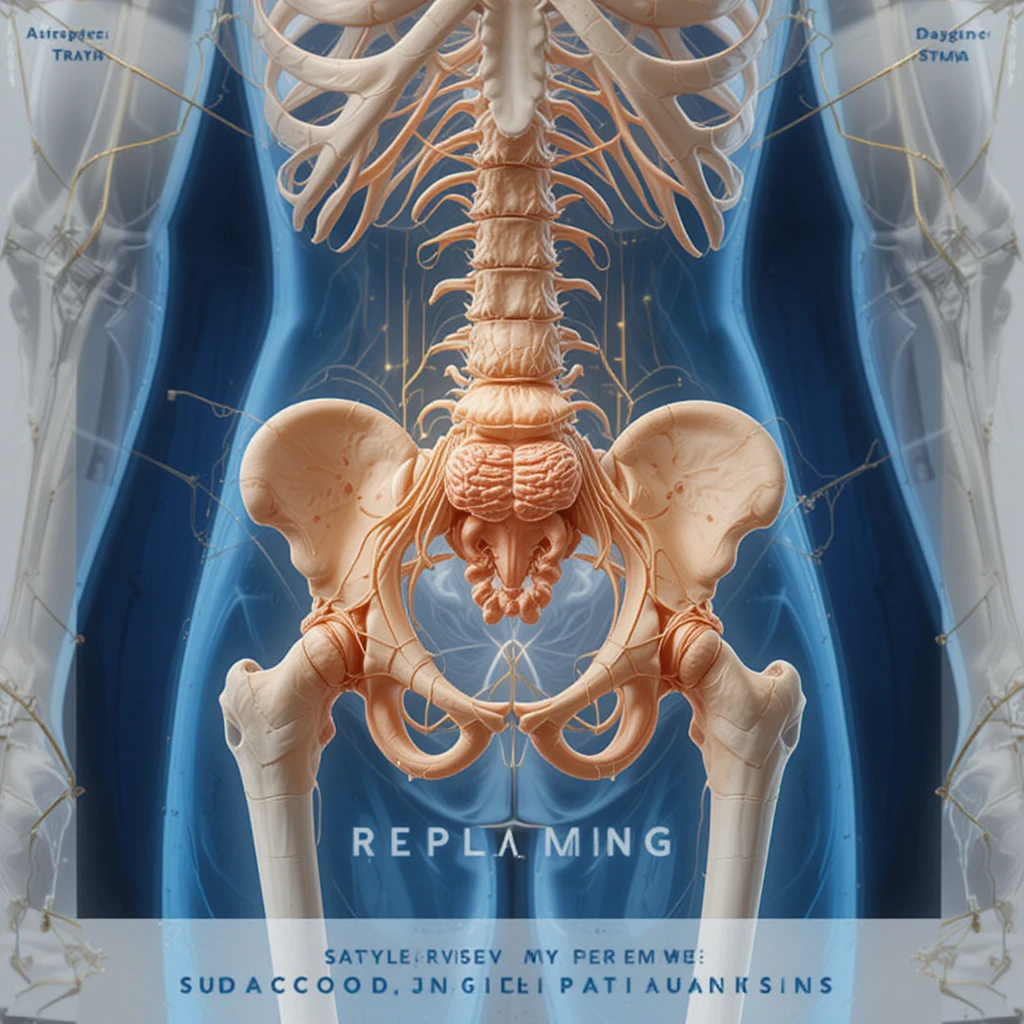
The human body is an incredibly intricate and well-designed system, made up of numerous parts that work together to maintain movement, stability, and overall health. One of the essential components of this system is the pelvis, a complex bony structure located at the lower part of the trunk. The pelvis plays a vital role in providing support, stability, and facilitating various movements. In this article, we will delve into the pelvis meaning in Telugu, explore its structure, functions, and significance, and address common queries regarding its anatomy.
What is the Pelvis Meaning in Telugu?
In the Telugu language, the word “pelvis” is referred to as “పెల్విస్” (pronounced pel-vis). The pelvis meaning in Telugu is the same as it is in English — a bony structure located at the base of the spine, connecting the trunk and the lower limbs. The pelvis serves as a structural support for the upper body and plays an essential role in bearing the weight of the body, particularly when standing or moving.
The pelvis meaning in Telugu is quite significant, especially when we consider how crucial it is for human movement and overall body mechanics. The pelvis acts as a foundation for several important functions, such as protecting vital organs, supporting body weight, and facilitating walking, running, and other movements.
Structure of the Pelvis
The human pelvis is a bowl-shaped, ring-like structure formed by the fusion of several bones. It consists of four major components:
- Sacrum: The triangular bone at the back of the pelvis, which forms the base of the spine.
- Coccyx: Often called the tailbone, it is located at the very bottom of the spine and is part of the pelvis.
- Hip Bones (Coxal Bones): These bones make up the sides of the pelvis. Each hip bone is made up of three fused bones — the ilium, ischium, and pubis at pelvis meaning in Telugu.
- Pubic Symphysis: A joint that connects the left and right hip bones at the front of the pelvis.
Each of these components works together to create a strong yet flexible structure that allows for mobility and stability.
The Functions of the Pelvis
The pelvis is not just a passive bony structure; it plays an active role in many functions necessary for daily life. Some of the key functions of the pelvis include:
- Supporting Body Weight: One of the primary functions of the pelvis is to bear and distribute the weight of the upper body to the lower limbs. This is crucial for maintaining posture and enabling movements like walking, running, and standing.
- Protecting Internal Organs: The pelvic cavity houses and protects important organs such as the bladder, rectum, and in women, the reproductive organs. The structure of the pelvis helps shield these organs from external trauma at pelvis meaning in Telugu.
- Facilitating Movement: The pelvis allows for the proper alignment and movement of the legs and spine. It plays a key role in activities like walking, bending, and rotating. Without a well-functioning pelvis, mobility would be severely impaired.
- Childbirth: In females, the pelvis has an additional function: facilitating childbirth. The shape and flexibility of the female pelvis allow for the passage of a baby during delivery. The pelvis expands and adjusts during labor, ensuring a safe delivery process at pelvis meaning in Telugu.
Types of Pelvis Shapes
Not all pelvises are the same, and there are variations in the shape of the pelvis between individuals, particularly between men and women. The differences in pelvis shape are a result of evolutionary changes designed to meet specific physiological needs. There are four main types of pelvic shapes:
- Gynecoid Pelvis: This is the most common pelvic shape in women and is ideal for childbirth. It has a rounded shape and a wider pelvic inlet, which makes it easier for the baby to pass through during labor at pelvis meaning in Telugu.
- Android Pelvis: This type of pelvis is typically found in men and has a heart-shaped inlet. It is narrower compared to the gynecoid pelvis, which can sometimes pose challenges during childbirth.
- Anthropoid Pelvis: This pelvis shape is more oval in appearance and is usually deeper. It is commonly seen in women of African descent and may sometimes require adjustments during childbirth at pelvis meaning in Telugu.
- Platypelloid Pelvis: This pelvis is wider than it is deep, and it is found in a smaller percentage of women. This shape can lead to complications during labor if not properly managed.
Importance of the Pelvis in Posture and Movement
The pelvis plays a critical role in maintaining posture and enabling smooth movement. A healthy, properly aligned pelvis ensures that the spine, hips, and legs work together efficiently. Poor alignment of the pelvis can result in a variety of issues, including lower back pain, hip pain, and even difficulty walking or standing for extended periods at pelvis meaning in Telugu.
For example, a misaligned pelvis can affect the way we walk, potentially leading to an uneven gait that places unnecessary strain on the joints and muscles. Over time, this can result in chronic pain or injury.
Pelvic Health and Common Disorders
Maintaining a healthy pelvis is crucial for overall health and well-being. However, several disorders can affect the pelvis and its functions. Some common pelvic health issues include:
- Pelvic Tilt: An abnormal positioning of the pelvis can lead to either an anterior pelvic tilt (when the pelvis tilts forward) or a posterior pelvic tilt (when the pelvis tilts backward). These imbalances can lead to lower back pain and muscle tension at pelvis meaning in Telugu.
- Pelvic Inflammatory Disease (PID): PID is an infection that affects the female reproductive organs. It can cause inflammation of the pelvic organs, leading to pain, discomfort, and potential fertility issues.
- Pelvic Floor Disorders: The pelvic floor is a group of muscles that support the pelvic organs. Weakness or dysfunction in these muscles can lead to urinary incontinence, pelvic organ prolapse, and other related issues at pelvis meaning in Telugu.
- Osteoarthritis of the Pelvis: This condition involves the degeneration of the cartilage in the pelvic joints, leading to pain and reduced mobility at pelvis meaning in Telugu.
- Sciatica: While sciatica is often associated with the lower back, it can also be caused by issues related to the pelvis, such as a misaligned or tilted pelvis that compresses the sciatic nerve.
Pelvic Exercises for Strength and Flexibility
To ensure a healthy pelvis and prevent the development of various pelvic issues, it’s important to engage in regular exercises that promote strength, flexibility, and proper alignment. Some beneficial pelvic exercises include:
- Pelvic Tilts: This exercise helps improve pelvic alignment and strengthens the lower back and abdominal muscles. It is simple to perform and can be done on the floor or with a stability ball at pelvis meaning in Telugu.
- Kegel Exercises: These exercises target the pelvic floor muscles and can help prevent or alleviate issues like urinary incontinence and pelvic organ prolapse. Kegels are especially important for women during pregnancy and postpartum recovery.
- Bridge Pose: This yoga pose helps strengthen the glutes, lower back, and pelvic floor muscles, improving overall pelvic health and stability.
- Hip Flexor Stretches: Stretching the hip flexors can alleviate tension in the pelvis and improve posture and movement.
- Squats: Squats are a great way to strengthen the muscles around the pelvis, hips, and thighs. Proper form is essential to avoid injury at pelvis meaning in Telugu.
Pelvic Health During Pregnancy
During pregnancy, the pelvis undergoes several changes to accommodate the growing baby. The hormones relaxin and progesterone help to loosen the ligaments around the pelvis, making it more flexible. This change is necessary for childbirth but can also lead to discomfort, especially in the later stages of pregnancy.
Women can experience various pelvic issues during pregnancy, including pelvic pain, pubic symphysis dysfunction, and sciatica. To manage these discomforts, maintaining good posture, doing gentle pelvic exercises, and seeking professional care are key steps to ensure pelvic health throughout pregnancy.
Conclusion
The pelvis is an essential part of the human body that plays a crucial role in supporting body weight, facilitating movement, and protecting vital organs. Understanding the pelvis meaning in Telugu and the structure and functions of this complex bony system can help individuals appreciate its importance and take steps to maintain its health. Whether you are dealing with pelvic pain, preparing for childbirth, or simply wanting to improve your posture, knowing more about your pelvis can help you lead a healthier and more active life. By practicing pelvic exercises and maintaining proper alignment, you can support your pelvis and prevent potential health issues in the future.
Remember, taking care of your pelvis is just as important as caring for any other part of your body. A little attention to this vital area can make a big difference in your overall health and well-being.