
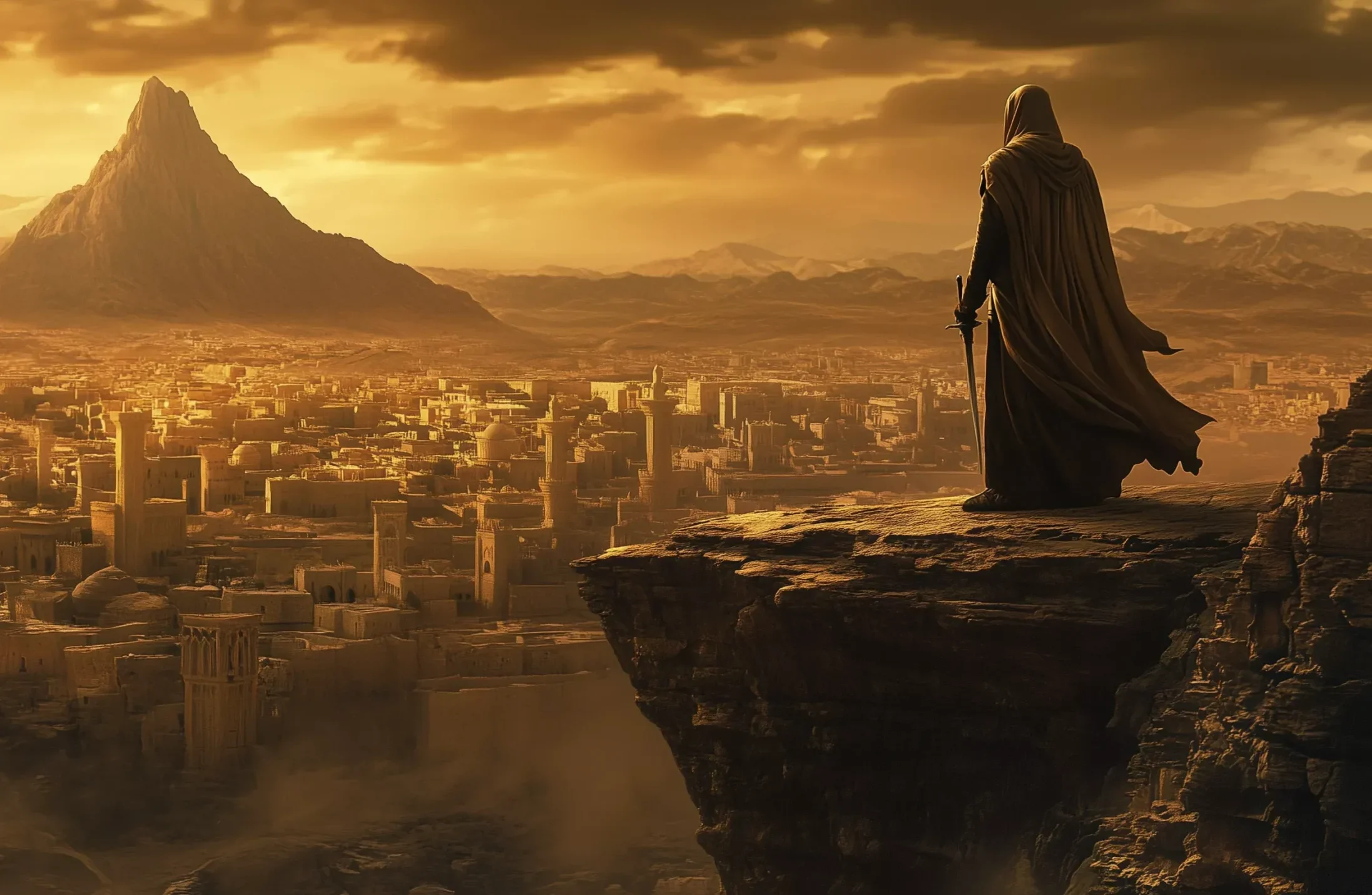
Historical storytelling films captivate audiences by weaving tales from the past into compelling cinematic experiences. These films blend factual events with creative narratives, bringing history to life through vivid characters, intricate plots, and stunning visuals. By focusing on significant moments, figures, or eras, they offer a window into the human experience across time, balancing authenticity with dramatic flair. This article delves into the essence of historical storytelling films, examining their narrative techniques, visual craftsmanship, and lasting impact on viewers.
The Power of Narrative in Historical Films
At the heart of historical storytelling films lies the narrative, which transforms historical events into engaging stories. Filmmakers often take real events or figures and build fictionalized accounts around them, creating emotional connections with audiences. For instance, films like Schindler’s List or The King’s Speech use personal struggles to humanize grand historical moments, making them relatable. These narratives often emphasize universal themes—courage, sacrifice, or resilience—while staying grounded in the context of their time. By carefully selecting which aspects of history to highlight, directors shape stories that resonate while shedding light on lesser-known perspectives or pivotal moments.
Read also: risk of nostertamine
Balancing Authenticity and Creative License
One of the defining challenges of historical storytelling films is striking a balance between historical accuracy and creative freedom. Filmmakers must decide how closely to adhere to documented events while crafting a story that captivates modern audiences. Some films, like 12 Years a Slave, prioritize fidelity to real accounts, using primary sources to ensure authenticity. Others, such as Braveheart, take liberties with facts to heighten drama, sparking debates among historians and viewers alike. This tension allows filmmakers to make history accessible, but it also raises questions about responsibility. When done thoughtfully, creative choices can illuminate truths about the past, even if they deviate from strict accuracy.
The Role of Research in Storytelling
Thorough research underpins the best historical storytelling films. Directors and writers often collaborate with historians, consult archives, or study firsthand accounts to ensure their work feels credible. For example, Dunkirk meticulously recreated the 1940 evacuation, drawing on survivors’ testimonies to capture the chaos and heroism of the event. Research informs everything from dialogue to costume design, grounding the film in its era. However, the goal isn’t to produce a documentary but to evoke the spirit of the time, allowing audiences to feel immersed in the historical setting while following a compelling narrative arc.
Read also: fidzholikohixy
Visual and Technical Craftsmanship
Beyond narrative, historical storytelling films rely on visual and technical elements to transport viewers to another era. Production design, costumes, and cinematography work together to recreate the past convincingly. Films like The Favourite use opulent sets and period-specific lighting to evoke 18th-century England, while Saving Private Ryan employs gritty, realistic visuals to depict the brutality of World War II. Sound design also plays a crucial role, with period-appropriate music or ambient sounds enhancing immersion. These elements, when executed well, make the historical setting feel tangible, allowing audiences to experience the past as if they were there.
The Impact of Casting and Performance
Casting choices and performances are pivotal in historical storytelling films. Actors must embody historical figures or archetypes while delivering performances that feel authentic yet accessible. For instance, Daniel Day-Lewis’s portrayal of Abraham Lincoln in Lincoln brought depth to a familiar figure, blending historical gravitas with human vulnerability. Similarly, ensemble casts in films like The Last of the Mohicans create a tapestry of characters that reflect the complexities of their era. Strong performances bridge the gap between past and present, making historical events feel immediate and emotionally resonant.
Read also: yell51x-ouz4 for tiles
Cultural and Emotional Resonance
Historical storytelling films often reflect the cultural and emotional concerns of their time, even as they depict the past. By focusing on themes like justice, identity, or resistance, these films connect historical events to contemporary issues. For example, Hidden Figures highlights the contributions of African-American women in the 1960s space race, resonating with modern discussions of diversity and inclusion. These films can also evoke powerful emotions, encouraging viewers to reflect on their own values and the legacies of history. By presenting the past through a modern lens, they foster empathy and a deeper appreciation for the forces that shaped the world.
The Lasting Legacy of Historical Films
The influence of historical storytelling films extends beyond entertainment, shaping how audiences perceive history. Iconic films like Gone with the Wind or Gladiator have left indelible marks on popular culture, even if their historical accuracy is debated. These films inspire curiosity, prompting viewers to explore the real events behind the stories. They also spark conversations about representation and perspective, as filmmakers increasingly strive to tell diverse stories from history’s margins. By blending fact and fiction, historical storytelling films keep the past alive, ensuring that its lessons and dramas continue to resonate with new generations.
Visit For More Info:-