
Foldable furniture for small spaces is transforming how people design and organize compact homes. In cities where apartments are getting smaller and storage is limited, furniture that adapts to daily needs has become more than just a trend—it’s a necessity.
Imagine living in a small apartment where your living room turns into a dining room in minutes, or your bedroom doubles as a workspace during the day. Foldable furniture makes this flexibility possible without sacrificing comfort or style.
Homeowners, renters, and interior designers are increasingly choosing these practical solutions to make every square foot count. When selected thoughtfully, foldable furniture not only saves space but also improves the overall functionality of a home.
Table of Contents
ToggleThe Rising Demand for Foldable Furniture in Modern Homes
Urban living has dramatically changed the way people approach interior design. Smaller homes, studio apartments, and multi-purpose rooms have become common across the world.
As a result, homeowners are searching for furniture that is versatile and adaptable. Traditional furniture often occupies permanent space, while foldable designs can be stored, expanded, or adjusted depending on the situation.
For example, someone working remotely from a small apartment might need a desk during the day but prefer an open living area in the evening. A foldable desk solves this challenge by providing a workspace that disappears once work is done.
This adaptability is the reason foldable furniture for small spaces has gained so much attention among modern homeowners and renters.
How Foldable Furniture Improves Everyday Living
Living in a small home often requires creativity and thoughtful organization. Foldable furniture helps reduce clutter and create a more open environment.
Instead of filling a room with multiple bulky items, one piece of furniture can serve several purposes. A foldable dining table, for instance, can remain compact most of the time and expand only when guests arrive.
Another advantage is the ability to rearrange rooms easily. When furniture can be folded or moved effortlessly, residents gain more freedom to redesign their space whenever needed.
This flexibility allows people to enjoy both comfort and efficiency in homes where space is limited.
Foldable Furniture for Small Spaces: Smart Design Innovation
The design of modern foldable furniture has evolved significantly over the past decade. Earlier designs were often simple and purely functional, but today’s pieces combine practicality with aesthetics.
Many furniture brands now focus on creating sleek designs that complement contemporary interiors. Materials such as engineered wood, lightweight metals, and durable fabrics ensure both stability and elegance.
Designers also pay close attention to user experience. Folding mechanisms are smoother, safer, and easier to operate. This makes furniture suitable for people of all ages, including children and elderly homeowners.
Because of these improvements, foldable furniture for small spaces is no longer seen as temporary or budget furniture. Instead, it has become a stylish and reliable option for modern homes.
Creating Multi-Functional Rooms with Foldable Furniture
One of the biggest benefits of foldable furniture is its ability to transform a single room into multiple functional spaces.
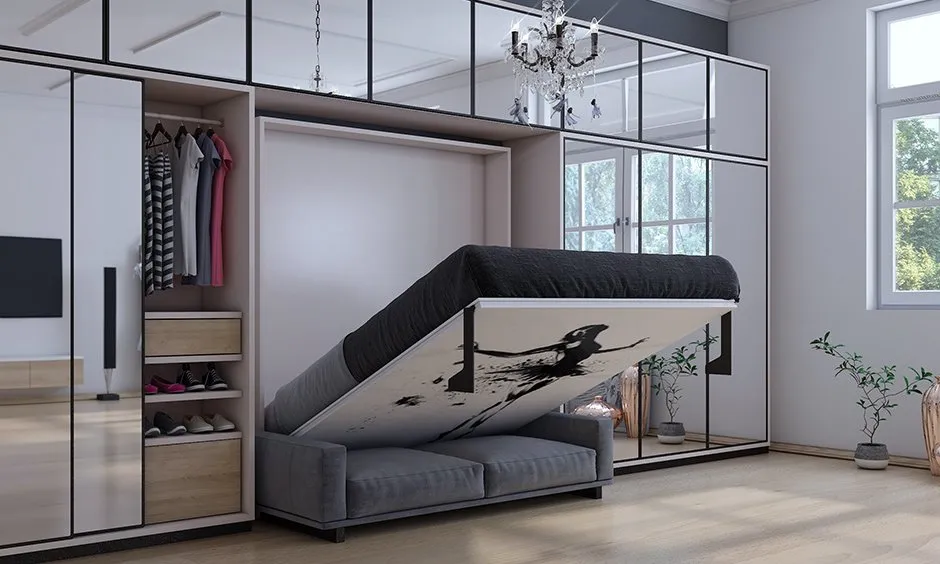
Consider a studio apartment where space must serve several purposes throughout the day. A foldable bed can be tucked away in the morning, instantly converting a bedroom into a living area. In the evening, the same furniture unfolds again to provide a comfortable sleeping arrangement.
Similarly, a foldable dining table allows a living room to function as an entertainment area most of the time while still accommodating family meals when required.
These types of solutions help homeowners maximize their space without compromising lifestyle.
The Role of Foldable Furniture in Minimalist Living
Minimalist living focuses on simplicity, functionality, and reducing unnecessary possessions. Foldable furniture aligns perfectly with this philosophy.
Minimalist homes prioritize open spaces, natural light, and clutter-free environments. Furniture that folds away when not needed contributes to this aesthetic by keeping rooms clean and spacious.
Instead of owning multiple pieces for different tasks, a single versatile item can perform several functions. This approach not only saves space but also encourages more mindful consumption.
People who embrace minimalism often find that foldable furniture for small spaces helps them maintain a balanced and organized lifestyle.
Real-Life Example: Transforming a Small Apartment
Consider the experience of a young professional who recently moved into a compact studio apartment in a busy city. At first, the limited space felt overwhelming. There was barely enough room for a bed, desk, and dining table.
After researching smart interior solutions, the resident decided to invest in foldable furniture. A wall-mounted foldable desk replaced the traditional office table. A folding dining table was installed near the kitchen, and a sofa bed allowed the living room to double as a bedroom.
The transformation was remarkable. The apartment felt larger, brighter, and far more functional. What once seemed like a cramped space became a comfortable and efficient home.
Stories like this demonstrate the practical value of foldable furniture for small spaces in real-life situations.
Materials and Durability in Foldable Furniture
Durability plays a crucial role when selecting foldable furniture. Because these pieces are frequently opened, closed, and moved, they must be built with reliable materials and sturdy mechanisms.
High-quality engineered wood and metal frames are commonly used to provide strength without adding excessive weight. Stainless steel hinges and reinforced joints ensure smooth operation over time.
Another important factor is weight distribution. Well-designed foldable furniture maintains stability even when fully extended. This prevents wobbling or accidental folding while in use.
Consumers who prioritize quality often find that investing in well-crafted pieces leads to long-term satisfaction and better performance.
Foldable Furniture for Small Spaces in Modern Interior Design
Interior designers are increasingly integrating foldable furniture into their projects, especially when working with compact homes or rental apartments.
Design professionals often look for furniture that blends seamlessly with existing décor. Modern foldable designs offer neutral colors, sleek finishes, and clean lines that complement contemporary interiors.
These pieces also allow designers to create flexible layouts. A room can easily shift from a workspace to a relaxation area or entertainment zone within minutes.
For clients living in smaller homes, foldable furniture for small spaces provides both practicality and visual harmony in interior design.
Sustainability and Eco-Friendly Benefits
Sustainability has become an important consideration in modern furniture design. Foldable furniture can contribute to environmentally responsible living in several ways.
First, multi-functional furniture reduces the need to purchase multiple separate items. Fewer products mean fewer materials used and less waste generated during manufacturing.
Second, compact furniture often requires less packaging and shipping space, which can reduce transportation emissions.
Finally, many manufacturers now use sustainable materials such as responsibly sourced wood and recyclable metals in their designs.
These eco-friendly practices make foldable furniture an appealing option for environmentally conscious homeowners.
Choosing the Right Foldable Furniture for Your Home
Selecting the right foldable furniture requires careful planning. Homeowners should begin by identifying their primary needs and understanding how each piece will be used daily.
A family that frequently hosts guests might prioritize a foldable dining table, while a remote worker may benefit more from a folding desk. Storage considerations are equally important, as furniture should fold compactly without obstructing other areas.
Quality should always be a priority. Smooth folding mechanisms, sturdy materials, and reliable construction ensure the furniture remains functional for years.
By evaluating these factors carefully, homeowners can find foldable furniture for small spaces that perfectly suits their lifestyle and interior layout.
The Future of Foldable Furniture Design
Furniture innovation continues to evolve alongside changing lifestyles. As urban populations grow and homes become more compact, adaptable furniture solutions will play an even larger role in interior design.
Technology may soon enhance foldable furniture with automated mechanisms, smart storage systems, and integrated charging stations for modern devices.
Designers are also experimenting with modular systems that allow homeowners to reconfigure furniture based on their changing needs.
These innovations suggest that foldable furniture will remain an essential part of modern living for years to come.
Why Experts Recommend Foldable Furniture for Small Homes
Interior designers, architects, and home organization specialists often recommend foldable furniture when working with limited space.
Their professional experience shows that adaptable furniture can dramatically improve functionality and comfort in compact homes.
Experts also emphasize that modern foldable furniture offers the same level of style and durability as traditional pieces. With thoughtful design and quality craftsmanship, these products provide a long-lasting solution for small-space living.
For anyone struggling to organize a compact home, foldable furniture for small spaces offers a practical path toward a more flexible and comfortable lifestyle.
Read also:-