
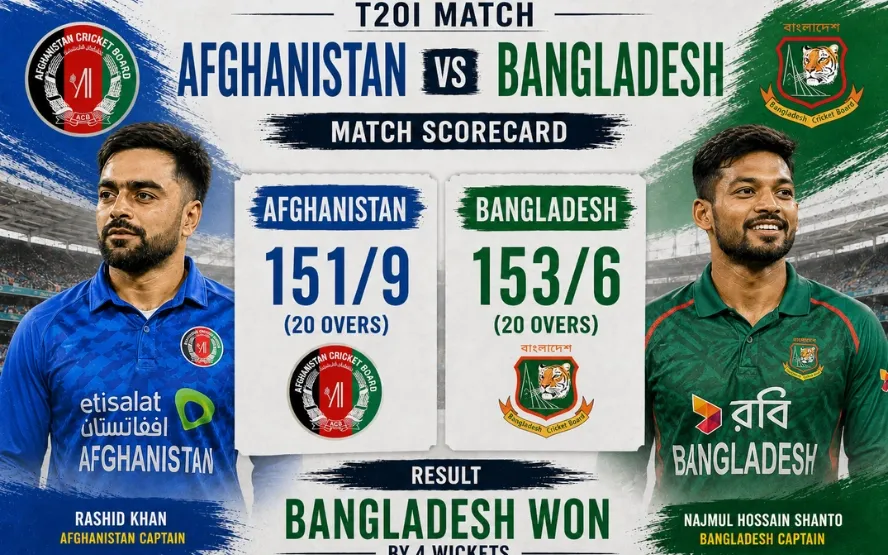
Close cricket matches often depend on small moments that change the direction of an entire innings. On cricketmatchteam.com, cricket followers can learn how scorecard details reveal these important changes during competitive games. A quick glance at the final score may show which team won, but it rarely explains the complete story. Runs, wickets, partnerships, bowling figures, and overs together provide a clearer picture of how the contest developed. Sometimes a team looks comfortable before losing two wickets within a few overs. Another side might struggle early before building a strong partnership that changes everything. Understanding these details helps readers follow match progress without depending entirely on live commentary. A cricket scorecard becomes much more useful when its numbers are connected with the important moments that shaped the result.
Spot Important Wicket Patterns
Wickets can change a match quickly, especially when several batters are dismissed within a short period. A team might reach 85 runs after losing only one wicket, which usually gives its remaining batters reasonable freedom. However, losing three wickets within the next few overs can create pressure and force the incoming players to rebuild carefully. The scorecard helps readers identify these changes by showing the score at each dismissal and the contributions of individual batters. It is also useful to notice whether wickets fell against different bowlers or during one particularly difficult spell. A cluster of dismissals may indicate accurate bowling, poor shot selection, or difficult batting conditions. The numbers alone cannot explain every reason, but they provide clues worth examining. Readers should compare the wickets lost with the remaining overs and available batting strength before judging the team’s position.
Examine Runs Per Over
Runs scored during individual overs can reveal when a batting team gained momentum or struggled to maintain its scoring rate. A side may score steadily for several overs before suddenly producing a sequence of boundaries. Such an increase can place pressure on the bowling team and force the captain to reconsider field placements or bowling changes. The opposite situation can happen when accurate bowling restricts scoring and encourages batters to attempt risky shots. Scorecards that include over-by-over information make these changes easier to recognize. For example, a team scoring twelve runs in one over and only three in the next has experienced a noticeable difference in scoring momentum. Neither over alone determines the match, though. Readers should consider the wickets lost, the batters at the crease, and the remaining target before deciding whether the scoring pattern genuinely benefits the batting side.
Understand Partnership Contributions
Partnerships often explain why a team recovered from an uncomfortable position or built a competitive total. Two batters may combine for sixty runs after early wickets, giving the innings stability and allowing the later batters to play with greater freedom. A scorecard can show how many runs a partnership produced and how many deliveries the pair faced together. These details help readers distinguish between a quick scoring stand and a slower partnership focused mainly on rebuilding. Both types can be valuable, depending on the match situation. During a difficult chase, a steady partnership might prevent further wickets while keeping the target within reach. In a limited overs innings, a rapid partnership near the end can add valuable runs in very little time. Looking beyond individual scores helps readers understand how players worked together and why their combined contribution mattered.
Check Bowling Spell Changes
Bowling figures can reveal which spells placed pressure on the batting side and which bowlers struggled to control scoring. A bowler conceding very few runs across several overs may force batters to take additional risks against another bowler. If wickets follow soon afterward, the scorecard may show how pressure from one end affected the entire innings. Readers should examine overs bowled, runs conceded, wickets taken, and economy rate together rather than focusing on one statistic alone. A bowler who takes two wickets while conceding thirty runs might have influenced the match more than someone who gives away fewer runs without taking wickets. The context matters because wickets often arrive during aggressive batting periods. Bowling changes can also affect momentum when a captain introduces a different style or angle of attack. Comparing individual spells helps explain why a batting innings slowed down or suddenly collapsed.
Compare Target And Required Rate
During a run chase, the target and required run rate provide useful information about the pressure facing both teams. If a team needs ninety runs from ten overs, it must maintain a particular scoring pace to reach the target. The required rate becomes more demanding when the batting side loses wickets or spends several overs scoring slowly. However, the same target can feel manageable when experienced batters remain at the crease and enough wickets are available. Readers should compare the required rate with the current scoring rate and consider how many deliveries remain. A team falling behind the required rate may still recover through a productive partnership or a strong finishing period. Likewise, a side scoring quickly can lose its advantage after consecutive dismissals. Scorecard figures help describe the situation, but they should not be treated as a guaranteed prediction of the final result.
Notice Late Innings Changes
The final overs of a limited overs match can produce dramatic changes in the score and the pressure on both sides. Batters may attempt more aggressive shots because only a small number of deliveries remain available. This can increase the scoring rate, but it can also create opportunities for bowlers to take wickets. A scorecard showing a large number of runs in the final overs may indicate successful finishing by the batting side. On the other hand, several wickets near the end can prevent a team from reaching the total it appeared capable of achieving earlier. Bowling figures and individual batter scores become particularly useful during this stage. Readers should also consider whether the batting team had enough wickets remaining to attack freely. These details explain why the final total sometimes differs considerably from what the middle overs seemed to suggest.
Use Scorecards For Learning
Following scorecard changes can help readers understand cricket strategy and improve their own knowledge of the game. After a match, compare the final result with the innings progress and identify the moments when momentum changed. Look at the highest scoring batters, important bowling spells, partnerships, and overs where several wickets fell. Consider whether a team lost control through poor batting decisions or whether the opposition created pressure with disciplined bowling. Such observations are more useful than judging players entirely by their final numbers. A batter scoring thirty runs might have played an important role in a difficult recovery, while another batter scoring fifty might have used many more deliveries. Match conditions and the team’s requirements also influence the value of each performance. Reviewing these details regularly can make cricket statistics easier to understand and help readers follow future matches with greater awareness.
Conclusion
Cricket scorecards reveal much more than a team’s final total because they show how momentum changes throughout an innings. Wickets, partnerships, scoring rates, bowling spells, and late overs all help explain the important moments behind a result. Readers exploring match information on cricketmatchteam.com can use these details to follow competitive games with a clearer understanding of team performance. Start by examining the innings totals, then look at the periods where scoring changed or wickets fell quickly. Comparing these details with the target and remaining overs provides a more complete picture of the contest. With regular practice, readers can recognize turning points more easily and understand why certain performances mattered. A scorecard becomes especially valuable when its numbers are connected with the decisions and events that shaped the match.
Read also :-
pakistan national cricket team vs sri lanka national cricket team match scorecard