
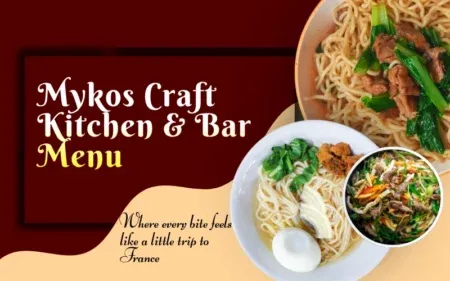
Restaurant menu descriptions help customers understand dishes before placing an order. On bestmenuideas.com, restaurant owners can explore practical approaches to presenting food clearly and making menu choices easier. A description does not need complicated language or dramatic promises to create interest. Customers mainly want to know what a dish contains, how it tastes, and whether it suits their preferences. Clear wording can also help a restaurant communicate its cooking style and distinguish similar items. The goal is to provide enough useful information without making the menu crowded or difficult to read. Good descriptions support customer decisions while setting realistic expectations about the food being served.
Start With The Main Ingredients
The main ingredients should usually appear near the beginning of a menu description because they explain what customers will receive. A vegetable pasta might feature roasted peppers, mushrooms, tomatoes, and herbs, while a chicken sandwich could highlight grilled chicken, crisp lettuce, and a creamy dressing. These details give readers a clearer picture than a vague phrase such as delicious house special. Ingredient selection also matters when dishes contain unfamiliar combinations or distinctive flavors. Customers should not have to ask staff basic questions about every item. Keep the wording accurate and mention ingredients that genuinely define the dish. If a recipe changes, update the description rather than leaving outdated information on the menu. Clear ingredient details make ordering easier and reduce confusion during busy service periods.
Describe Flavors Without Exaggeration
Flavor descriptions can help customers imagine a dish, but the wording should remain believable. Terms such as smoky, tangy, creamy, crisp, buttery, and mildly spicy communicate useful differences when they accurately describe the food. A tomato soup may be described as smooth and gently seasoned, while a grilled vegetable wrap might offer fresh herbs with a slightly smoky finish. Avoid filling descriptions with several adjectives that communicate nearly the same thing. Too much dramatic language can make ordinary dishes sound unrealistic and reduce customer confidence. Choose two or three meaningful details instead of trying to describe every possible sensation. The best wording explains the actual eating experience without promising something the kitchen cannot consistently deliver. Customers are more likely to trust descriptions that match the food arriving at their table.
Explain Preparation Methods Clearly
Preparation methods can make similar dishes feel different and help customers choose according to their preferences. Words such as grilled, roasted, steamed, baked, slow-cooked, and pan-seared provide practical information about how food is prepared. A roasted vegetable bowl may suggest deeper flavors, while a steamed vegetable plate can communicate a lighter preparation style. These terms should only be used when they accurately reflect the kitchen’s process. Restaurants should also consider whether the method changes the texture or flavor enough to deserve attention. A long explanation of ordinary cooking steps rarely improves the menu. Instead, mention the preparation method when it adds useful context or distinguishes the dish from other options. Accurate descriptions help customers understand the menu and support more informed choices.
Keep Descriptions Short And Useful
Menu descriptions need enough detail to answer common questions without overwhelming readers. Long blocks of text can make customers work harder to compare dishes, especially when they are ordering quickly or viewing a menu on a phone. A useful description generally identifies the main ingredients and adds one distinctive detail about flavor, preparation, or serving style. Remove repeated words and phrases that do not help customers understand the dish. For example, describing a salad as fresh, tasty, delicious, wonderful, and flavorful adds little practical information. Mentioning crunchy greens, roasted chickpeas, and lemon dressing provides a more specific picture. The ideal length depends on the dish and the overall menu design. Consistent descriptions make the menu easier to scan and help customers compare similar choices without unnecessary effort.
Consider Different Customer Needs
Customers may have different dietary preferences, ingredient restrictions, and expectations when reading restaurant menus. Descriptions should clearly identify relevant ingredients and avoid making unsupported claims about a dish being healthy or suitable for everyone. Vegetarian and vegan labels should match the actual recipe and preparation process. If an item contains common allergens, provide accurate information through the menu or a clear method for customers to obtain details. Staff should know how to confirm ingredient questions with the kitchen rather than guessing. Restaurants can also explain spice levels when heat varies significantly between dishes. These details are especially useful when customers are unfamiliar with the cuisine or ordering for a group. Thoughtful menu wording helps people make suitable choices while reducing the risk of misunderstandings.
Give Signature Dishes Attention
Signature dishes often represent the restaurant’s identity, so their descriptions deserve particular care. A restaurant might be known for a house-made sauce, a regional cooking method, a distinctive spice blend, or a dessert prepared using a traditional recipe. Mention the feature that genuinely makes the dish different rather than relying on generic claims about being famous or unbeatable. If a dish includes a locally sourced ingredient or a preparation method developed by the kitchen, explain that detail accurately. Staff knowledge can also help identify which features customers frequently ask about. However, not every menu item needs an elaborate description. Give additional attention to dishes that define the restaurant, while keeping simpler items straightforward. This approach creates variety in the menu without making the entire page feel promotional or crowded.
Match Descriptions With Prices
Menu wording and pricing should work together to create realistic expectations about value. A description that promises a generous portion may disappoint customers if the serving is small, while an expensive dish with almost no explanation may leave people uncertain about its appeal. Mention portion details when they help customers understand what they are ordering, such as whether a dish serves one person or is designed for sharing. Avoid suggesting premium ingredients or special preparation methods unless the restaurant actually uses them. Prices should remain easy to find, and optional additions should have clear charges where applicable. Restaurant owners can review customer feedback to discover whether descriptions create confusion about portion sizes or ingredients. Consistency between the written description and the actual dish builds trust and supports a better dining experience.
Review The Menu Regularly
Menu descriptions should be reviewed whenever recipes, suppliers, portion sizes, or preparation methods change. A dish may remain on the menu for years, but its wording can become inaccurate when ingredients are replaced or a sauce is prepared differently. Staff members who interact with customers often notice unclear descriptions and repeated questions before managers do. Collecting this feedback can reveal which menu items need better explanations. It is also useful to check descriptions for spelling mistakes, inconsistent terminology, and unnecessary repetition. Digital menus should be updated promptly, while printed menus need careful proofreading before new copies are produced. Review customer responses alongside sales information rather than changing descriptions based on one isolated comment. Regular checks keep the menu accurate, useful, and aligned with the restaurant’s current offerings.
Conclusion
Effective restaurant menu descriptions combine accurate ingredients, clear flavor details, useful preparation information, and concise wording. They should help customers understand each dish without exaggerating its qualities or hiding important details. Resources from bestmenuideas.com can provide inspiration for organizing menu information and improving the way food choices are presented. Restaurant owners should begin by reviewing their most popular dishes, correcting unclear descriptions, and checking that every statement matches the kitchen’s actual practices. Customer questions can guide further improvements over time. A well-written menu does more than make dishes sound appealing; it helps people order confidently and understand what they can expect from their meal.
Read also :-