
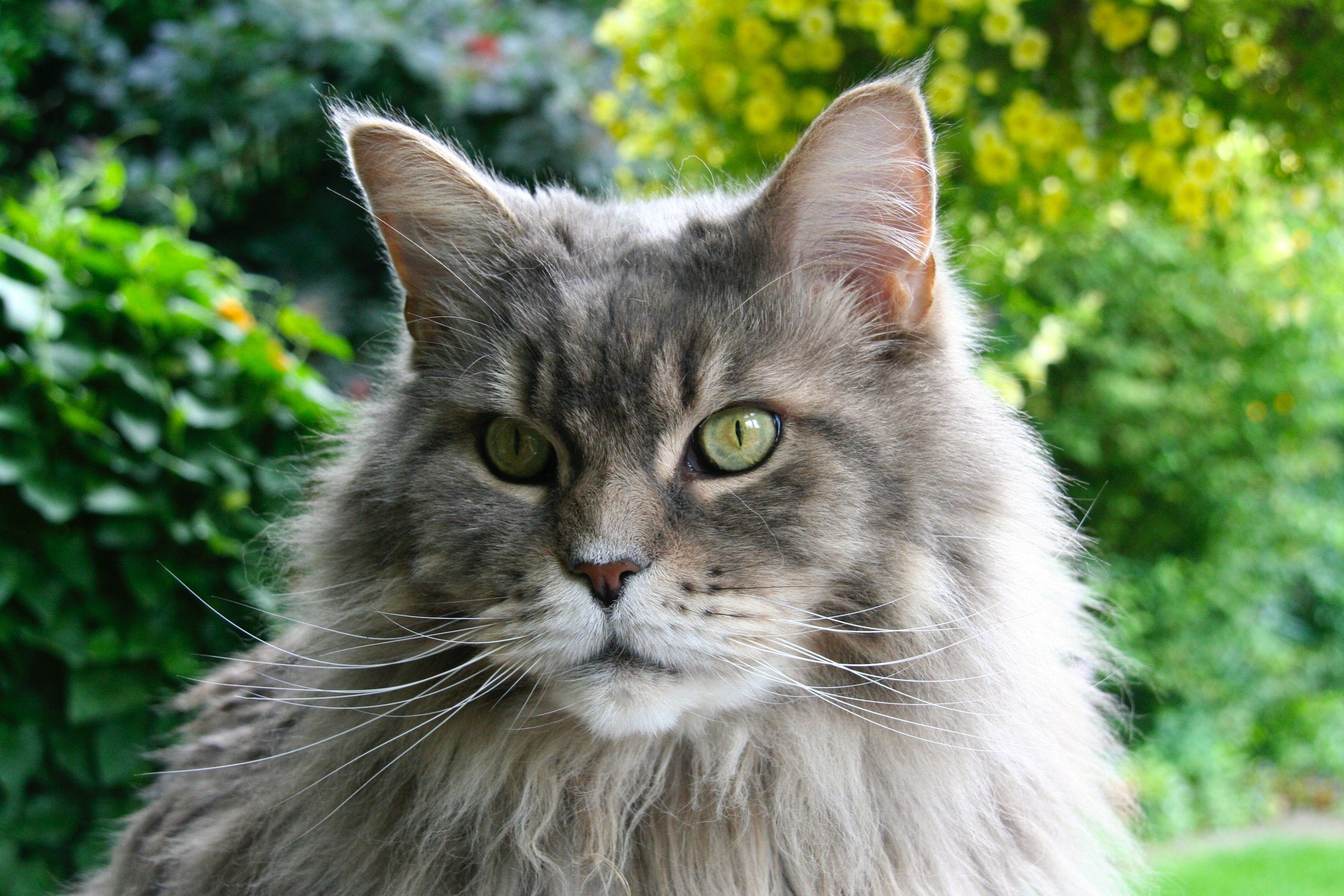
Introduction: The Allure of the Maine Coon
With their majestic size, striking appearance, and legendary personalities, Maine Coon cats have captured the hearts of cat lovers worldwide. But are these magnificent felines truly good pets for the average household? This comprehensive 3,000-word guide will explore every aspect of Maine Coon ownership, from their unique personality traits to their specialized care requirements, helping you determine if this breed is the perfect addition to your family.
Breed Overview: Understanding the Maine Coon
Origins and History
- One of America’s oldest natural breeds
- Originated in Maine (official state cat)
- Folklore claims mix with raccoons (biologically impossible)
- Developed to survive harsh New England winters
Physical Characteristics
- Size: 10-25 lbs (males larger than females)
- Length: Up to 40 inches including tail
- Coat: Water-resistant, three-layer fur
- Distinctive Features: Ear tufts, toe tufts, bushy tail
- Colors: 75+ color combinations recognized
Personality Traits: The Maine Coon Temperament
The “Gentle Giant” Reputation
- Exceptionally friendly and good-natured
- Less skittish than many cat breeds
- Typically enjoys human interaction
- Often forms strong bonds with family
Intelligence and Trainability
- Can learn tricks (fetch, high-five)
- Some adapt to leash walking
- Many respond to their names
- Problem-solving abilities
Vocalizations and Communication
- Known for chirps and trills
- Less likely to yowl than some breeds
- Expressive body language
- Some “talk” to their owners
Living Requirements: Ideal Home Environment
Space Considerations
- Do well in apartments if exercised
- Prefer vertical space (cat trees)
- Enjoy window perches
- Need room to stretch and play
Climate Adaptability
- Thrive in cooler temperatures
- Need shade in hot climates
- Appreciate air conditioning
- Love watching snow (indoor cats only)
Household Compatibility
- Best with at least one person home often
- Can adjust to various living situations
- Need mental stimulation
- Prefer consistent routines
Care and Maintenance: Keeping Your Maine Coon Healthy
Grooming Needs
- Brushing: 2-3 times weekly (daily during shedding)
- Bathing: Occasionally (many enjoy water)
- Nail Trimming: Every 2-3 weeks
- Dental Care: Important for prevention
Nutritional Requirements
- High-quality protein diet
- Larger portions than average cats
- Need fresh water always
- Watch for obesity tendencies
Exercise and Play
- Interactive toys recommended
- Puzzle feeders stimulate mind
- Enjoy climbing structures
- Benefit from regular play sessions
Health Considerations: What to Watch For
Common Health Issues
- Hip dysplasia (due to size)
- Hypertrophic cardiomyopathy (HCM)
- Spinal muscular atrophy (SMA)
- Polycystic kidney disease (PKD)
Preventative Care
- Regular vet checkups
- Genetic testing availability
- Dental cleanings
- Weight management
Lifespan Expectations
- Typically 12-15 years
- Some live into late teens
- Quality care extends longevity
- Males often outlive females
Cost of Ownership: Budgeting for a Maine Coon
Initial Costs
- Kitten Price: 800−2,500+
- Supplies: 300−500
- Vet Visits: 200−400 first year
- Spay/Neuter: 200−500
Ongoing Expenses
- Food: 50−100/month
- Litter: 20−40/month
- Insurance: 30−60/month
- Grooming: 50−100/session (if professional)
Unexpected Costs
- Emergency vet visits
- Special dietary needs
- Mobility aids for seniors
- Chronic condition management
Family Compatibility: Kids and Other Pets
With Children
- Generally excellent with kids
- Patient with gentle handling
- Supervise young children
- Teach proper interaction
With Other Cats
- Usually good with proper intro
- May dominate smaller cats
- Prefer similarly sized companions
- Need gradual acclimation
With Dogs
- Often dog-like themselves
- Best with cat-friendly dogs
- Should have escape routes
- Monitor initial interactions
Adoption vs. Buying: Ethical Considerations
Responsible Breeders
- Health testing parents
- Proper socialization
- Transparent about lineage
- Lifetime support
Rescue Options
- Breed-specific rescues
- Sometimes available in shelters
- Adult cats need homes too
- Often already vetted
Red Flags to Avoid
- “Discount” kittens
- No health guarantees
- Multiple litters available
- Won’t show parent cats
Training and Enrichment: Keeping Your Maine Coon Stimulated
Litter Training
- Usually quick learners
- Need large litter boxes
- Prefer unscented litter
- Multiple boxes ideal
Behavior Training
- Respond well to positive reinforcement
- Can learn boundaries
- Clicker training effective
- Consistency is key
Environmental Enrichment
- Interactive puzzle toys
- Cat-safe outdoor enclosures
- Window perches
- Rotating toy selection
The Senior Years: Caring for an Aging Maine Coon
Common Age-Related Issues
- Arthritis management
- Dental problems
- Reduced mobility
- Cognitive changes
Special Considerations
- Orthopedic bedding
- Raised food bowls
- More frequent vet visits
- Dietary adjustments
Quality of Life
- Pain management options
- Mobility assistance
- Senior-specific nutrition
-
Emotional support