
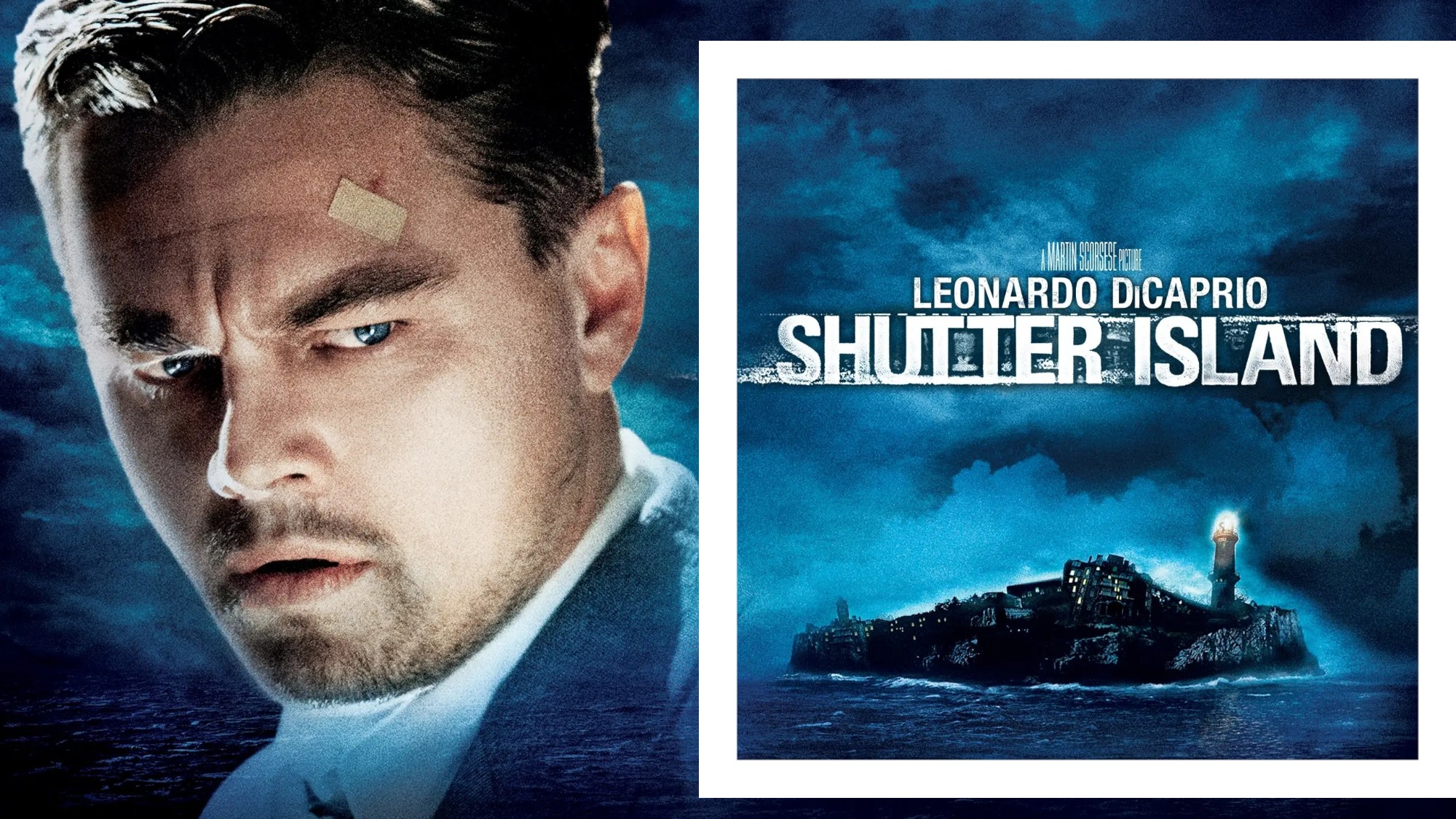
Shutter Island is a 2010 psychological thriller that has captivated audiences with its intricate storyline, chilling atmosphere, and mind-bending twists. Directed by Martin Scorsese, this film blends mystery, suspense, and psychological horror, keeping viewers on the edge of their seats. With a star-studded cast and a haunting musical score, Shutter Island remains a standout in modern cinema.
Storyline and Plot Twists
The story of Shutter Island follows U.S. Marshal Teddy Daniels, played by Leonardo DiCaprio, who is sent to Ashecliffe Hospital, a mental institution for the criminally insane, to investigate the disappearance of a patient named Rachel Solando. As Daniels and his partner Chuck Aule dig deeper, they uncover shocking secrets about the hospital and its staff. The narrative unfolds in a suspenseful manner, with unexpected twists that challenge the audience’s perception of reality.
The film expertly balances tension and intrigue, gradually revealing the psychological struggles of Teddy Daniels while exploring themes of trauma, guilt, and delusion. Viewers are taken on a haunting journey through eerie landscapes, stormy weather, and unsettling encounters that build an atmosphere of paranoia and fear.
Cast and Stellar Performances
Shutter Island features an exceptional cast that brings depth to the suspenseful storyline. Leonardo DiCaprio delivers a compelling performance as Teddy Daniels, capturing the character’s torment and vulnerability. Mark Ruffalo portrays Chuck Aule, Daniels’ loyal partner, offering a grounding presence amidst the chaos.
Ben Kingsley plays Dr. John Cawley, the enigmatic head psychiatrist whose intentions remain ambiguous throughout the film. Michelle Williams appears as Dolores Chanal, Daniels’ late wife, whose tragic presence haunts him throughout the story. Patricia Clarkson also stars as Rachel Solando, adding complexity to the investigation with her mysterious disappearance.
Screenplay and Direction
The screenplay of Shutter Island, adapted from Dennis Lehane’s novel, was crafted by Laeta Kalogridis. It preserves the novel’s dark tone while making the story cinematic, effectively weaving suspense and psychological depth. The dialogue and pacing maintain tension, gradually revealing layers of deception and uncertainty that keep viewers engaged.
Martin Scorsese’s direction is pivotal in creating the film’s intense atmosphere. His meticulous attention to visual detail, combined with dramatic camera angles and lighting, enhances the suspense and psychological tension. The director’s ability to blend noir elements with a thriller narrative makes Shutter Island a visually striking and narratively compelling film.
Music and Cinematic Score
The haunting musical score of Shutter Island was composed by Robbie Robertson. The music amplifies the suspense, guiding viewers through the film’s psychological twists and eerie moments. From quiet, tension-filled scenes to dramatic climactic moments, the score plays a crucial role in shaping the mood and enhancing the emotional impact of the story.
Produced By and Behind the Scenes
Shutter Island was produced by a collaboration of prominent figures in the film industry, including Mike Medavoy, Eric Fellner, and Tim Headington. The production brought together experienced professionals who ensured high-quality cinematography, set design, and visual effects. The team recreated the foreboding Ashecliffe Hospital and stormy island landscapes, contributing to the immersive experience.
Cinematographer Robert Richardson captured the eerie mood with his use of shadows, framing, and lighting. The meticulous production design, along with authentic period details from the 1950s setting, makes the world of Shutter Island both convincing and unsettling.
Themes and Psychological Depth
Shutter Island explores deep psychological themes, including trauma, loss, and identity. Teddy Daniels’ journey is not only a search for a missing patient but also a confrontation with his own inner demons. The film masterfully blends reality and hallucination, forcing audiences to question what is real and what is imagined.
The exploration of mental illness and the human psyche is central to the narrative. Shutter Island’s portrayal of grief, guilt, and denial adds layers of emotional complexity, elevating it beyond a typical thriller and cementing its status as a psychological masterpiece.
Critical Reception and Legacy
Upon its release, Shutter Island received widespread acclaim for its gripping story, performances, and direction. Critics praised Leonardo DiCaprio’s portrayal of Teddy Daniels and Martin Scorsese’s atmospheric direction. Over time, it has gained a strong following among fans of psychological thrillers, becoming a modern cult classic.
The film’s lasting impact is evident in its continued discussions in film circles, analyses of its twists, and its influence on other psychological thrillers. Shutter Island demonstrates how storytelling, combined with masterful direction and strong performances, can create a film that remains compelling years after its release.
Essential Viewing for Thriller Enthusiasts
Shutter Island is an essential watch for fans of psychological thrillers and mystery films. Its intricate plot, memorable characters, and haunting atmosphere provide a rich cinematic experience. By examining the film’s storyline, cast, direction, and music, viewers can appreciate the artistry and craft that make Shutter Island a standout in modern cinema.
The combination of suspense, psychological exploration, and stellar performances ensures that Shutter Island continues to engage and intrigue audiences, maintaining its reputation as one of the most compelling thrillers of the past decade.
Read also:
examples of interesting facts about yourself
sri lanka national cricket team vs australian men’s cricket team match scorecard
interesting facts about yourself examples
techcrusader latest mix