
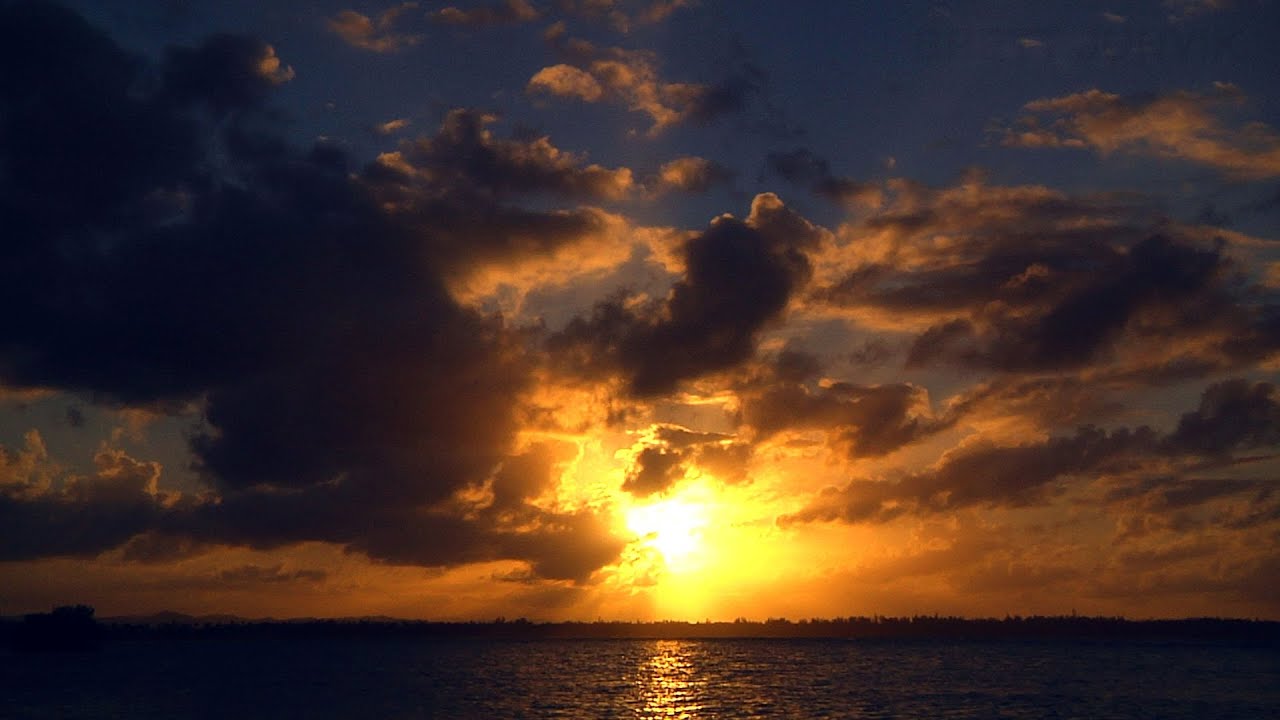
The transition from day to night is a beautiful and mysterious part of our natural world. As the sun dips below the horizon, the sky undergoes a series of remarkable changes, from the golden glow of sunset to the cool embrace of night. These changes are not just aesthetic, but also hold significance in terms of time, culture, and even human behavior. Three terms that frequently come up when discussing the end of the day are sunset, dusk, and night time. But what exactly do these terms mean, and how do they differ from one another? Moreover, is there any real significance to the specific times these transitions occur?
In this article, we’ll explore the differences between sunset today, dusk, and night time. We’ll dive into their meanings, how they relate to each other, and whether or not they hold special significance in various contexts. By the end of this post, you’ll have a clearer understanding of these phases of the day and perhaps a newfound appreciation for the subtle beauty of the evening.
What is Sunset?
Let’s start with the most straightforward term — sunset. Sunset is the moment when the sun disappears below the horizon, marking the official end of the day. It’s a universally recognized phenomenon, observed by cultures around the world and celebrated in art, poetry, and literature.
The Science Behind Sunset
The exact time of sunset today can vary depending on your location on Earth, the time of year, and the angle of the sun. Sunset occurs when the sun’s center passes below the horizon, which is why it may seem to happen gradually. The sun doesn’t just “drop” instantly — it slowly sinks, creating a beautiful gradient of colors in the sky, from yellow to orange to red.
The Earth’s rotation causes the sun to appear to move across the sky, and the tilt of the Earth’s axis results in variations in the length of days and nights across seasons. This is why sunset today will happen at a different time than it did yesterday or will tomorrow, depending on your geographical location.
Cultural Significance of Sunset
Throughout history, sunset has held great significance. In many ancient cultures, it marked the end of the working day, signaling a time for rest and reflection. In other traditions, sunset is a time for prayer, meditation, or family gatherings. In modern times, people often associate sunset with relaxation and romance, as it’s a popular time for taking scenic photos or enjoying a quiet moment by the water.
Sunset also has practical significance in various fields. Farmers, sailors, and travelers have long relied on the time of sunset to mark the end of their day’s activities. In navigation, sunset helps to determine directions, especially when the stars are visible later at night.
What is Dusk?
After sunset, the sky doesn’t immediately become dark. Instead, we enter a phase known as dusk. Dusk is the period of twilight that occurs right after sunset and before the full onset of night. During dusk, the sky gradually fades from the colors of sunset into darkness, and it is typically marked by a dimming of natural light.
The Science Behind Dusk
-
Civil Twilight: This is the first part of dusk, starting immediately after sunset and lasting until the sun is about 6 degrees below the horizon. During civil twilight, the sky is still relatively light, and you can often see enough to carry on normal activities without artificial light. It’s during this time that the sky transitions from bright orange and pink hues to deeper blues and purples.
-
Nautical Twilight: This phase begins once the sun is between 6 and 12 degrees below the horizon. The sky is much darker, but the horizon remains faintly visible at sea. Nautical twilight is important for sailors, who use the stars visible during this period for navigation.
-
Astronomical Twilight: The final phase of dusk occurs when the sun is between 12 and 18 degrees below the horizon. At this point, the sky is fully dark, and only stars are visible. This marks the start of true nighttime.
Cultural Significance of Dusk
Dusk has a unique place in the cultural consciousness. Many cultures see it as a time of transition, both in the natural world and in human life. In literature and poetry, dusk is often used as a metaphor for change, reflection, or mystery. It is a liminal time — a space between day and night where anything feels possible.
In certain religious and spiritual practices, dusk is a time for contemplation and prayer. Some cultures use the dimming light of dusk to signal the beginning of evening rituals, festivals, or community events. It’s also traditionally a time for stories, especially in many Indigenous cultures, when elders would gather children around the fire to tell tales as the light faded away.
What is Night Time?
Night time is the period that follows dusk and lasts until the next sunrise. This is the time when the sky is completely dark, and most human activities shift indoors or rely on artificial lighting.
The Science Behind Night Time
Night begins when the sun has set more than 18 degrees below the horizon, and the sky becomes fully dark. The lack of sunlight allows for the visibility of celestial bodies such as the stars and the moon. During night time, the Earth is positioned in a way that it’s facing away from the sun, creating the absence of daylight.
Cultural Significance of Night Time
Night has always held a strong cultural and symbolic presence. It is often associated with rest, dreams, and the unknown. In modern times, night time is when most people sleep and recuperate, allowing them to be refreshed for the following day. In many societies, the transition from day to night marks the beginning of a new cycle, often signifying the time for reflection or relaxation.
Significance of Each Term
While sunset, dusk, and night time all mark different phases of the evening, they also have distinct significance in terms of human activity, cultural rituals, and the natural world. Understanding the differences between these phases can deepen our appreciation for the subtle beauty of our environment and the cycles of the Earth.
Why are These Terms Significant?
Each of these transitions — sunset, dusk, and night time — has an important role in how we experience time and space. They represent natural boundaries that demarcate the changing of the world around us.
-
Sunset signals the end of the active part of the day and is often seen as a moment of closure or reflection. It provides an opportunity to pause and take in the beauty of the world.
-
Dusk is a transitional phase that evokes a sense of calm, mystery, and contemplation. It represents a time when light slowly fades and the world prepares for the darkness of night.
-
Night time provides rest and recovery, and its darkness allows for the stars to emerge, marking a time for sleep and dreams.
Why is This Important?
Recognizing the differences between sunset today, dusk, and night time is more than just about understanding the natural world. It’s about connecting with the rhythms of the Earth and appreciating the cycles of light and darkness that have shaped human culture for millennia.
From a practical standpoint, understanding these phases can help in areas such as navigation, agriculture, and astronomy. For example, knowing when sunset today will occur can help sailors navigate using the stars. Similarly, understanding the phases of twilight is important for astronomers who need precise timing to observe celestial events.
Conclusion
While the terms sunset, dusk, and night time all represent different parts of the evening, they hold much more than just temporal significance. Each phase of the evening offers something unique to experience — whether it’s the vibrant colors of sunset today, the peaceful transition of dusk, or the quiet stillness of night time. Together, they form an essential part of our daily rhythm and connect us to the natural world in profound ways.