

Introduction
The debate over “The Kerala Story” has been most pronounced in May 2023 when the movie came out. It was directed by Sudipto Sen and focuses on themes of religious extremism, missing women from kerala and the implications of such occurrences to the Indian society at large. In cinematic terms, the film’s subject matter is provocative and multi-faceted, sparking discussions over censorship, the politics of religion and women, and the sociology of representations in cinema.
AutotechStores | cbdcrazes | getcoursera | cryptozguide | fetishcamsreviews
It is true that there have been both positive and negative responses to the film, thus making it one of the most prominent aspects of Indian films today. Centering the story’s politics on revealing the narrative of the film, writers explain the disappearance of women to the systematic purpose of religious conversion and radicalism. The film was confrontational and openly dealt with many current problems, which provoked extreme emotions: those who supported the film emphasized its courage, while those who opposed it called it nothing other than propaganda and political manipulation. This article looks at the film, its historical controversies, the major performances, and the effect it had on its viewers and critics.
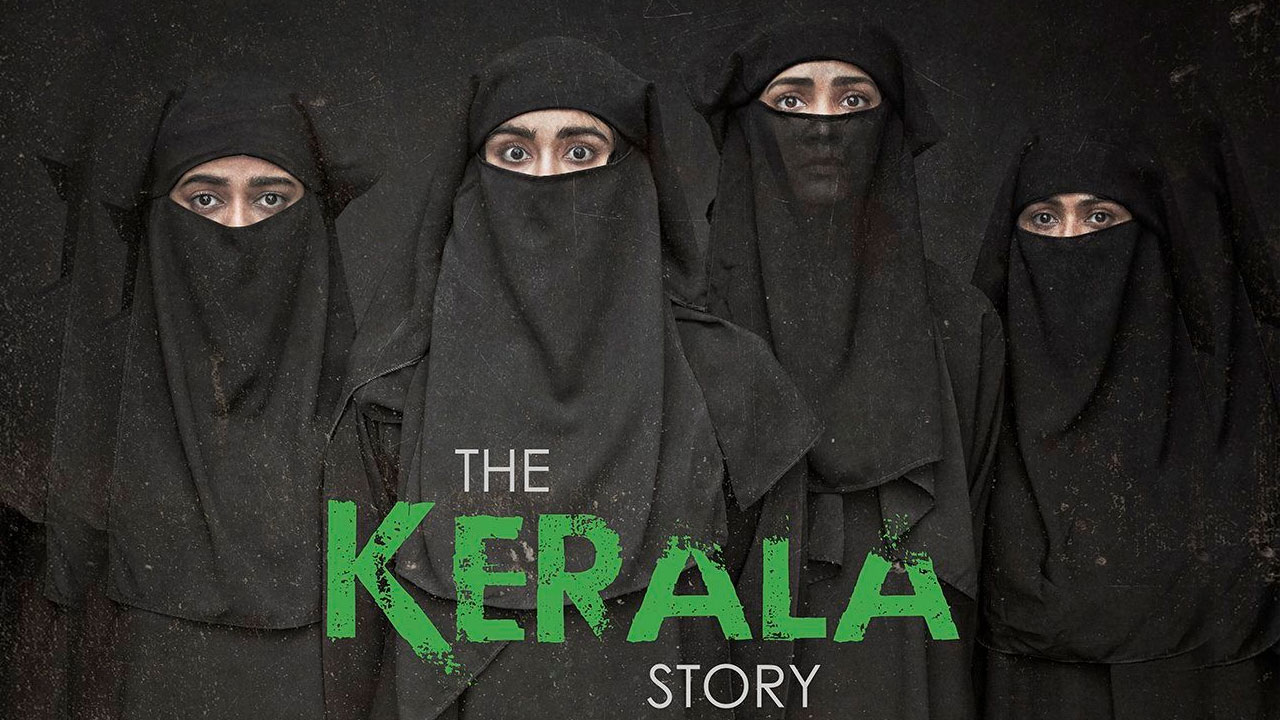
Release Date
In India, “The Kerala Story” was screened on May, 5, 2023 for the first time. The temporal context increased the expectations for the picture given that it tackled a complex subject as well as for it being one of the films that seems to make sense in the world order. As the film was released, there was extensive interest from the media since there were active controversies even before the film was released in the theatres. Unfortunately, the representations of actual events in the film also made some people haste to see it while the fictionalists were antagonistic of the movie owing to the many perceived creative inaccuracies cynically believed to be masked by political agendas.
Film Location
The setting of the movie ‘The Kerala Story” is mostly in the title which indicates that the majority of the events occur in that particular state: Kerala, The southern region of India which is endowed with good vegetation, rich heritage and multicultural societies. Due to the fact that it is a place where cultures and cultures converge, Kwa-Arab is a place embellished with many religions and civilizations, thus providing a great backdrop for a movie promoting the themes of religious conversion or extremism.
The movie does not just get set in Kerala, it also has parts shot in the state which makes it appropriate for the region. Most importantly, the cinematographers provide a sneak peek in to the development of keralas landscape that incorporates history, modern times and different religions. On the other hand, doing so brings attention to more of the problems already faced by the state in relation to increasing religious terrorism that are the main themes of the film.
Song
There are no two ways that music is crucial in seeking to narrate a tale in motion picture and in this case ‘The Kerala Story.’ It’s easily stimulating because knowledge of the intensity within the Kosovo film was excellent. The music also enhances the experience of what the movie portrays and communicate its messages effectively and for the audience to be impacted greatly.
Of all these songs, the song `Zindagi’ grabs more attention than the others and conveys the central message more effectively since the film revolves around the protagonists struggles. Bharat K. N. one of the composers who directed and created this composition which received a lot of applause as it had an intrinsic narrative appealing to the audience. Words and music well combined bring out a definite feeling which with skillful timing can send a very powerful message where needed.

Director
Sudipto Sen is the director of the film The Kerala Story who is an Indian director. He always tries to handle sensitive issues and complex matters in the film, and was known for making such films with great strength in content and structure that was always outside the box.
In The Kerala Story, Sen wanted to go beyond just the personal aspects of the story and make it political by highlighting a concern that he felt was either absent or misrepresented in the popular narrative. Sen’s instructions to his actors in this film are precise and measured, employing a slow build up that enables the audience to appreciate the intricacies of the story.
Even though his past works did not get that much hype and focus, Sen’s aspirations with “The Kerala Story” made him gain popularity. The film’s plot involved controversial nature and polarised ideas which raised a new issue about the duty of a filmmaker in an extremely political environment and the ability to deal with such sensitive subjects in the first place.
Producer
The film was made by Vipul Amrutlal Shah, to many, a household name producer in the Indian cinema who has been associated with several hit ventures in the past. Shah’s claim to fame however is largely based on his active involvement in film production which aims at highlighting contemporary social vices through motion pictures. His participation in “The Kerala Story” provided the film with an appropriate touch due to the fact that he had previously handled similar issues with other films quite well.
Thoroughly, The Kerala Story under Shah also had a big budget production alongside adequate advertisement power to ensure the film was widely circulated. Even with the controversies regarding the film, the marketing approach employed relevant slogans which diverted attention to the plight of people whom radicalisation has affected in the country. This narrative had a favorable reception from the majority in India.
Cast
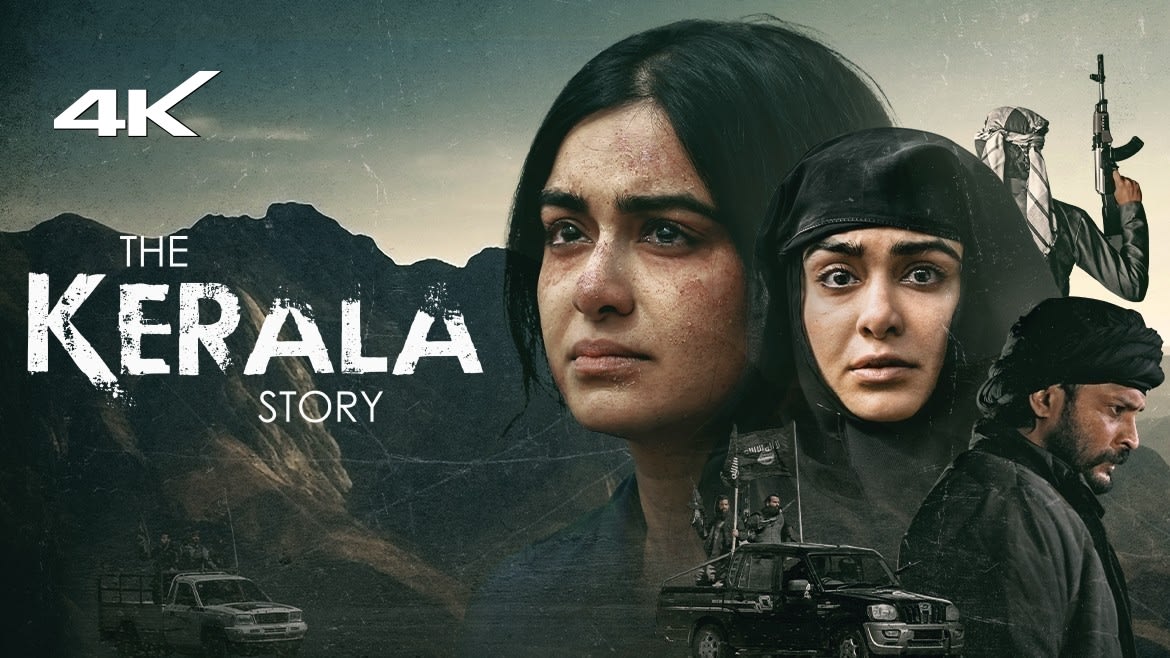
Many actors appear in “The Kerala Story.” The prominent role is performed by Adah Sharma as Shalini, who has been radicalised and turned to extremism. A lot of effort in bringing the character to life was invested by Sharma, who succeeded in evoking emotion out of the viewers. She gives over a median of how Mulhay, an implication of a character in the film, would feel during the situation up in question.
Other actors include Yogita Bihani, Sonia Balani, and Siddhi Idnani who played Shalini’s friends and have been supportive with their equally sound performances that complement the hard-hitting subjects of the film. They are deeply portrayed in the narrative as the different aspects of women’s lives globalised by the theme of radicalisation investigated in the motion picture.
Sharma Adah is another name that has attracted many viewers whereby a lot of attention was placed on her performance which moved many viewers. Which shocked quite a number of people and some might have viewed her performance as incredible.
Trailer
The Kerala Story trailer, released before the premiere of the film, triggered a lot of debates and threads and is even in the center of the discussion. It showed the life of Shalini and the very serious emotional and physical changes that were depicted as part of the story to be told in the film. The teaser operated within the scope of radicalization, conversion, and an individual’s impact on oneself.
The trailer however did not only introduce the film but suggested the emotional upsurge to come and the issues still contentious. It obtained a large audience through its daring message and striking imagery. But, it also drew some attention and criticism for depicting some people and events, critics alleged that the filmmakers overstated the truth and created sensationalism surrounding the subject matter for dramatization effects.
Controversy which the trailer proved did exactly what was meant of it, create buzz and anticipation concerning the cinema. It especially dealt with strong messages regarding radicalization, activism which people would have to really explore the film to fully understand.
Pilot
The Kerala story mainly depicts the journey of its lead character, but also touches upon the sociopolitical context of Kerala as a region. The events of the film are dramatized in a unique way that combines flashbacks with present events and interviews to create a fuller impression of the circumstances. As it stands, it is like a promo, helping the audience understand the troubled topic without necessarily dwelling on it in the future.
In a sense, it is serving as a promotional tool which means that the film should open up greater possibilities for further discussion on issues like religious radicalism, the exploitation of the weak and what follows after such radicalization. By the end of the movie, the viewers are given access into intense sociopolitical debates, as in most war series the first episode often highlights the complexity of events that will be expanded into longer narratives or discussions later.
Reviews
The reception of “The Kerala Story”, as with many movies, has been polarised where audiences and critics either appreciate or criticise the film’s willingness to take a strong position on sensitive issues. A growing number of people, particularly in Kerala, believe the film sheds light on an important concern and that is religious radicalisation which the film claims impacts women the most. They applaud the film for its bravery in tackling any issues that are seldom highlighted in the mainstream arena.
In contrast, opponents regard the strategies used in the film have been inappropriate– in their view, the movie focuses more on recreating drama than telling the story and therefore misrepresents facts. It would likely stoke sectarian tensions in an already highly charged political situation and international climate, which is what the film does, is how they claim to envisage the situation today. There were those who observed the images and ideas that, in their opinion, give the most pessimistic accounts of what the film intends to portray or represent, while analysing the film, and some observers noticed the narratives containing a great deal of divisive ideas which are hostile to the social order.
The movie has had a rather divided response, whereby some viewers enjoyed what the movie was trying to accomplish while others thought that the message was too far-fetched or dramatized. On the other hand, the film itself has been a commercial success in terms of the number of people who bought the ticket, particularly those regions where the message of the movie fitted in well.
topnewzdeals | newzthreads | thepicasophotos | MakeupOfBeauty | AttireAndAspire
Conclusion
“The Kerala Story” has had an impact on Indian cinema history due to both its politically incorrect subject matter and the controversy which surrounds this film. The movie poses questions regarding the purpose of films and what repercussions there are when making films dealing with delicate issues in such an exaggerative way.
It would be naive to assume that the film intends to offer solutions or consolation of any sort to its audience, but it does dare to provoke discussion over a topic that most would rather ignore. Not everyone who watches The Kerala Story will agree with its interpretation of events; however, the film does raise important issues of religious extremism, how people are preyed upon, and how filmmakers deal with such issues.
At its core, “The Kerala Story” serves as both a mirror to society and a catalyst for larger social and political debates, making it one of the most talked-about films in recent Indian cinema history.