
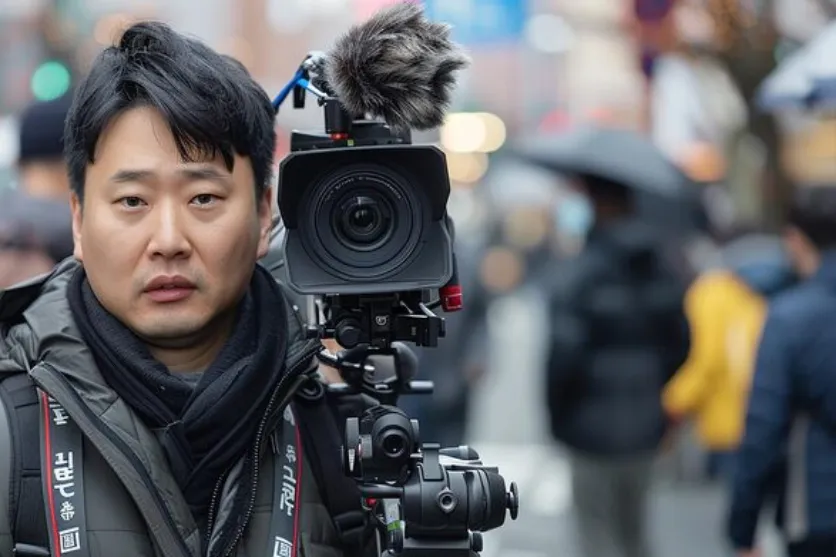
Documentary production rarely follows a fixed script. Interviews change, locations become unavailable, and new story leads can appear without warning. Working with a field producer South Korea that teams can rely on gives visiting crews a local professional who can help manage those changes while protecting the editorial direction of the project.
South Korea offers documentary filmmakers a wide range of stories, from technology and culture to business, social change, food, music, and regional communities. Capturing those stories effectively requires more than translation. It requires research, access, planning, and the ability to solve practical problems quickly.
Research Before the Shoot
Good documentary work begins with reliable background research. Producers need to understand the subject, identify credible sources, check terminology, and determine which contributors can add real value to the story.
Local research can also reveal details that are difficult to find through international sources. Regional differences, cultural expectations, institutional structures, and community relationships may all influence how a story should be approached.
Finding the Right Contributors
A documentary fixer South Korea production teams can help identify contributors who are relevant, available, and comfortable speaking on camera. This may include academics, business owners, artists, workers, community representatives, or people with direct personal experience.
The job is not simply to find names. Contributors need to understand the purpose of the project, where the material may appear, and what the filming process will involve before an interview is confirmed.
Building Trust Matters
Documentary interviews often depend on trust, especially when the subject is personal, sensitive, or unfamiliar to the production team. Clear communication helps contributors feel informed rather than simply placed in front of a camera.
Local support can help explain the project in culturally appropriate terms and clarify expectations on both sides. This creates a better environment for honest interviews and reduces the chance of confusion later.
Locations Need More Than Visual Appeal
A strong location should support both the story and the production process. Noise, crowds, access, changing light, power availability, and permission requirements can make an otherwise attractive setting difficult to use.
Scouting helps crews identify these issues before the shooting day. It also gives directors alternatives when the preferred location cannot provide the conditions needed for interviews, observational footage, or controlled sequences.
Schedules Must Stay Flexible
Documentaries often require more flexibility than commercial shoots. An interview may run longer than expected, a contributor may become available at short notice, or the crew may discover a new lead worth following.
A schedule should therefore include enough room to respond to the story. Overloading each day with locations and interviews can make the production less effective, even if it looks efficient on paper.
Local Logistics Support the Story
Transporting cameras, sound equipment, lighting, and crew members through Seoul or between regions takes careful planning. Traffic, parking, loading areas, and travel distances can quickly reduce available filming time.
For shoots outside the capital, teams may also need accommodation, larger vehicles, or additional travel days. Organising these details early keeps logistics from taking attention away from the documentary itself.
Language Needs Context
Direct translation is useful, but documentary work often involves tone, emotion, and cultural nuance. A sentence can be translated correctly while still losing the meaning that matters most to the story.
Local production professionals can help explain references, social context, and subtle differences in wording. That support can improve both the interview process and the accuracy of the final edit.
Expect the Unexpected
Even carefully prepared productions face changes. Weather, access restrictions, transport delays, contributor cancellations, or technical problems can force a team to rethink its plans quickly.
Backup contributors, alternative locations, and flexible travel arrangements give the crew more options. The aim is not to remove uncertainty, but to make it easier to keep filming when conditions change.
Conclusion
Documentary filmmaking in South Korea can provide rich visual material and access to stories with international relevance. The strongest results usually come from combining creative direction with careful local research, realistic planning, and reliable coordination.
When contributors, locations, schedules, communication, and logistics are handled well, visiting crews can spend more time listening, observing, and following the story as it develops. That flexibility is often what turns a well-planned shoot into a documentary with greater depth and stronger human detail.