
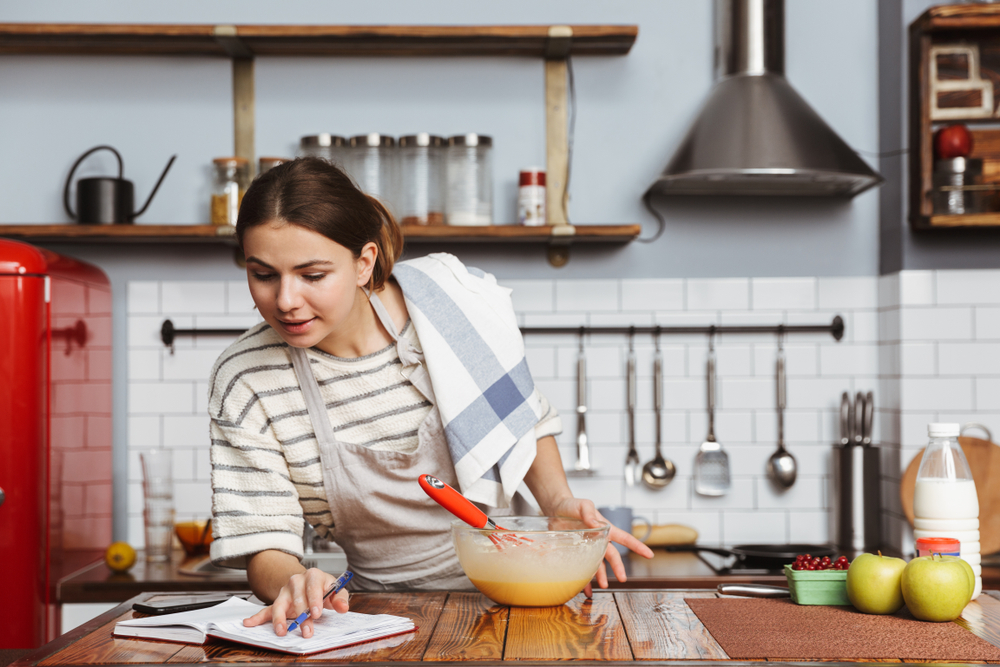
Beginner cooking tips can transform the way someone feels about being in the kitchen. For many people, cooking for the first time feels intimidating. Recipes may seem complicated, ingredients unfamiliar, and mistakes almost guaranteed.
But the truth is that every skilled cook once started as a beginner. The journey begins with simple meals, small experiments, and learning how ingredients work together.
Cooking is not just a practical skill. It is also a creative and enjoyable activity that allows people to explore flavors, cultures, and traditions.
With the right mindset and a few helpful techniques, anyone can turn cooking into a rewarding everyday habit.
Table of Contents
ToggleWhy learning to cook is a valuable life skill
Cooking at home provides benefits far beyond preparing food. It helps people eat healthier, save money, and build independence.
When someone cooks their own meals, they gain control over ingredients, portion sizes, and flavors. This can lead to healthier eating habits and better nutrition.
Cooking also encourages creativity. A simple dish can be adjusted with different spices or ingredients to create something unique.
Many people begin exploring the kitchen after searching for beginner cooking tips that make the learning process easier and less stressful.
Starting with simple recipes
One of the most important things new cooks can do is begin with simple recipes. Complex dishes often require advanced techniques and experience.
Basic meals such as vegetable stir-fries, pasta dishes, scrambled eggs, or simple soups are perfect starting points.
These recipes usually involve fewer ingredients and straightforward cooking methods.
By practicing simple meals regularly, beginners develop confidence and gradually build the skills needed for more advanced cooking.
Many successful home cooks started their journey by following beginner cooking tips that encouraged them to keep recipes simple in the beginning.
Understanding basic kitchen tools
A well-equipped kitchen does not require expensive equipment. However, a few essential tools make cooking easier and safer.
Sharp knives help cut vegetables quickly and cleanly. A sturdy cutting board provides a stable surface for preparation.
Basic cookware such as a frying pan, saucepan, and cooking pot can handle most everyday meals.
Learning how to use these tools properly is one of the most practical beginner cooking tips for anyone entering the kitchen for the first time.
Over time, cooks naturally expand their collection as their cooking skills grow.
Learning how flavors work together
One of the most enjoyable parts of cooking is discovering how flavors combine. Ingredients such as garlic, onions, herbs, and spices form the foundation of many dishes.
Cooking often begins with sautéing onions or garlic, creating aromas that fill the kitchen with warmth.
Understanding the balance between salty, sweet, sour, and spicy flavors helps cooks adjust dishes to their taste.
When beginners experiment with flavor combinations, they begin to see cooking less as a strict science and more as a creative art.
Many beginner cooking tips emphasize tasting food during the cooking process to develop a better sense of flavor balance.
Preparing ingredients before cooking
Preparation plays a major role in successful cooking. Experienced chefs often organize their ingredients before turning on the stove.
This method, sometimes called “mise en place,” simply means preparing everything in advance.
Vegetables can be chopped, spices measured, and sauces mixed before cooking begins.
This preparation prevents stress during the cooking process and ensures that ingredients are added at the right time.
Following this simple habit is one of the most effective beginner cooking tips for avoiding mistakes in the kitchen.
Understanding heat and cooking methods
Heat control is an important skill in cooking. Many beginners make mistakes by cooking food at temperatures that are too high or too low.
Learning how heat affects ingredients helps improve cooking results significantly.
High heat is often used for stir-frying or searing meats, while low heat works better for simmering soups and sauces.
With practice, cooks begin recognizing the sounds and aromas that indicate food is cooking properly.
These practical lessons often come from applying reliable beginner cooking tips during everyday meals.
Learning from small mistakes
Mistakes are part of every cook’s learning process. Even experienced chefs occasionally overcook a dish or add too much seasoning.
For beginners, these moments should be seen as opportunities to learn rather than failures.
Perhaps a soup becomes too salty, or vegetables are cooked slightly longer than intended. Each experience teaches something valuable about cooking techniques.
Over time, cooks begin adjusting flavors and cooking times more confidently.
Many people improve quickly once they accept that mistakes are a natural part of learning through beginner cooking tips and real kitchen experience.
Keeping the kitchen organized
A clean and organized kitchen makes cooking far more enjoyable. Cluttered countertops and unwashed dishes can make even simple cooking tasks feel overwhelming.
Cleaning as you cook helps maintain order and saves time later.
For example, washing utensils or wiping surfaces while food cooks can keep the workspace tidy.
Good organization allows cooks to focus on the joy of preparing food rather than dealing with unnecessary distractions.
This habit is often included in practical beginner cooking tips shared by experienced home cooks.
Developing cooking confidence
Confidence in the kitchen grows gradually with practice. At first, recipes may feel like strict instructions that must be followed exactly.
Over time, cooks begin adjusting ingredients and experimenting with flavors based on personal taste.
They learn how to substitute ingredients when something is missing and how to improve dishes through small changes.
Cooking then becomes less about following instructions and more about understanding the process.
Many people discover that beginner cooking tips provide the foundation for developing this confidence step by step.
Cooking as a relaxing activity
Beyond its practical benefits, cooking can also become a relaxing and enjoyable part of daily life.
The rhythm of chopping vegetables, stirring sauces, and tasting food can feel calming after a busy day.
Many people use cooking as a creative outlet where they can experiment with flavors and techniques.
Sharing homemade meals with family or friends adds another layer of satisfaction.
For beginners who start with simple dishes and gradually expand their skills, the kitchen often becomes a place of creativity rather than stress.
This transformation often begins with following a few reliable beginner cooking tips that make the learning process comfortable and enjoyable.
Learning through everyday meals
Cooking skills improve most quickly through regular practice. Preparing meals daily allows beginners to experiment with ingredients and techniques naturally.
Each meal becomes an opportunity to try something new or improve a familiar dish.
Even small changes, such as adding fresh herbs or adjusting seasoning, help develop a better understanding of cooking.
Over time, beginners realize that cooking is not about perfection but about enjoying the process.
With patience, curiosity, and consistent practice, the guidance found in beginner cooking tips becomes the foundation for a lifetime of confident home cooking.
Read also: