
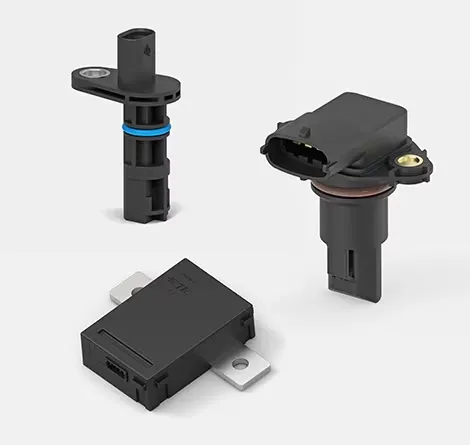
smart sensors for auto parts are transforming the automotive industry by providing real-time monitoring, predictive maintenance, and advanced safety features. These intelligent devices collect data from critical components, analyze performance, and alert drivers or fleet managers to potential issues before they become costly problems.
Modern vehicles rely heavily on these sensors to maintain efficiency, prevent breakdowns, and enhance overall safety. From braking systems to engines and tires, smart sensors for auto parts are increasingly integrated into every aspect of a vehicle’s operation.
How Smart Sensors for Auto Parts Work
At the core, smart sensors for auto parts combine microelectronics, communication modules, and software algorithms. They detect physical parameters such as temperature, pressure, vibration, and wear, and transmit this data to onboard computers or cloud platforms.
The information is then analyzed in real-time, allowing vehicles to adjust performance automatically or provide alerts to drivers. For instance, a tire pressure sensor can detect a slow leak and notify the driver, preventing blowouts and improving safety.
Enhancing Vehicle Safety and Performance
The most immediate impact of smart sensors for auto parts is safety. Sensors monitor brakes, steering, suspension, and other vital systems to ensure they function properly.
If a component shows abnormal behavior, such as excessive wear or overheating, the system can trigger warnings or adjust performance parameters to prevent accidents. This proactive approach reduces the risk of mechanical failures on the road.
Real-Life Applications in Modern Vehicles
In everyday vehicles, smart sensors for auto parts are used in adaptive cruise control, anti-lock braking systems (ABS), and electronic stability control.
For example, a driver on a wet highway benefits from sensors detecting tire traction and wheel slip. The system can automatically modulate braking to prevent skidding. These examples illustrate how sensors translate data into practical safety interventions.
Predictive Maintenance and Cost Savings
Beyond safety, smart sensors for auto parts play a crucial role in predictive maintenance. By monitoring wear and performance trends, sensors predict when a part will fail or require servicing.
This allows fleet operators and individual drivers to schedule maintenance proactively, reducing unexpected breakdowns and costly emergency repairs. Over time, predictive maintenance saves both money and vehicle downtime.
Integration With Connected Vehicle Technology
Connected vehicles rely heavily on smart sensors for auto parts to provide data for telematics, vehicle-to-vehicle communication, and cloud-based analytics.
These systems can monitor engine performance, fuel efficiency, and emission levels while sending real-time alerts to drivers or service centers. Connected sensors make vehicles smarter and more responsive to environmental and operational conditions.
Smart Sensors in Engine Management
Modern engines are complex systems requiring precise monitoring. smart sensors for auto parts track oil pressure, temperature, and fuel efficiency, ensuring engines operate optimally.
When irregularities are detected, the system can adjust performance or notify the driver for maintenance. This not only prolongs engine life but also improves fuel economy and reduces emissions.
Enhancing Tire and Brake Performance
Tires and brakes are critical for road safety. Sensors monitor tire pressure, tread wear, and brake pad thickness.
For instance, a tire pressure monitoring sensor alerts drivers before a dangerous underinflation scenario occurs. Similarly, brake sensors provide insights into pad wear, helping avoid accidents and maintaining consistent stopping power.
Supporting Fleet Management
Fleet managers gain tremendous value from smart sensors for auto parts. By monitoring multiple vehicles in real-time, operators can track performance, schedule preventive maintenance, and reduce unexpected downtime.
For logistics, delivery, and public transport services, sensor data improves efficiency, reduces costs, and enhances passenger and driver safety.
Real-Life Impact on Commercial Vehicles
A delivery company using sensor-equipped vehicles reported fewer breakdowns and a 20% reduction in maintenance costs over six months. Sensors enabled predictive maintenance scheduling and real-time alerts, showing the tangible benefits of smart sensors for auto parts in commercial settings.
AI and Machine Learning Integration
Artificial intelligence enhances the effectiveness of smart sensors for auto parts. Machine learning algorithms analyze sensor data to identify patterns, predict failures, and recommend optimal maintenance strategies.
For example, AI can detect early signs of engine component degradation that would be missed by conventional inspections, allowing proactive interventions and extending vehicle lifespan.
Environmental and Efficiency Benefits
Vehicles equipped with smart sensors for auto parts operate more efficiently. Monitoring engine performance, emissions, and fuel usage reduces waste and environmental impact.
This data also supports eco-driving initiatives, guiding drivers toward smoother acceleration, optimal speed, and better fuel economy. Over time, intelligent sensor management contributes to more sustainable vehicle operation.
Improving Driver Experience
Smart sensors not only protect vehicles but also enhance the driving experience. Real-time feedback on vehicle performance helps drivers make informed decisions.
For example, alerts about low tire pressure or engine temperature allow drivers to act immediately, preventing emergencies and reducing stress. This ensures safer, more confident driving.
Integration With Autonomous Driving
Autonomous and semi-autonomous vehicles rely extensively on smart sensors for auto parts. Sensors monitor mechanical systems to ensure reliability and safety while AI algorithms handle navigation, braking, and acceleration.
Sensors act as the vehicle’s eyes and ears, continuously checking for anomalies in mechanical performance, allowing self-driving systems to operate safely and effectively.
Safety Enhancements Through Redundancy
Redundant sensors improve reliability. Multiple sensors monitoring the same parameter can cross-validate data, reducing the risk of false alarms or undetected failures.
This redundancy is especially critical in high-speed or autonomous vehicles where safety margins are minimal. smart sensors for auto parts ensure that critical systems have backup monitoring for maximum reliability.
Predictive Analytics for Maintenance Planning
Fleet operators and individual drivers benefit from analytics dashboards that consolidate sensor data. Trends and anomalies are visualized, enabling proactive decisions on servicing and parts replacement.
Predictive analytics reduces unscheduled maintenance, optimizes part inventory, and ensures operational continuity. smart sensors for auto parts are central to this data-driven maintenance ecosystem.
Global Adoption Trends
Automakers worldwide are integrating sensors into nearly all vehicle systems. Adoption is fastest in markets with advanced automotive technology infrastructure, but mid-range and budget vehicles are increasingly incorporating essential sensors.
Consumer demand for safer, more efficient vehicles drives global expansion, establishing smart sensors for auto parts as a standard feature in modern vehicles.
Challenges and Limitations
While benefits are clear, challenges exist. Sensor calibration, data accuracy, and integration across vehicle models require attention.
Ongoing advancements in sensor technology, AI analytics, and connectivity continue to address these challenges, making systems more reliable, affordable, and scalable.
Insurance and Safety Integration
Insurance companies recognize vehicles with smart sensors for auto parts as lower risk. Real-time monitoring reduces accident likelihood and improves claims management.
Usage-based insurance programs increasingly leverage sensor data to reward safe driving and vehicle maintenance, creating financial incentives for sensor adoption.
Future of Smart Sensors in Automotive Technology
Looking ahead, sensors will become even more intelligent and integrated. Predictive maintenance, AI-driven diagnostics, and real-time performance optimization will make vehicles safer, more reliable, and environmentally friendly.
Sensors will communicate with connected infrastructure, other vehicles, and cloud-based analytics, ensuring the future of mobility is data-driven and intelligent.
Psychological Impact on Drivers
Drivers using sensor-equipped vehicles report higher confidence and reduced stress. By receiving accurate, actionable insights, they feel more in control of their vehicle’s performance.
Behavioral studies suggest that real-time feedback improves driver attentiveness, reduces risky maneuvers, and promotes safer road behavior, reinforcing the value of smart sensors for auto parts.
Why Smart Sensors Are Essential for Modern Vehicles
smart sensors for auto parts are no longer optional—they are essential for safety, performance, and efficiency. From individual drivers to commercial fleets, these sensors ensure vehicles are monitored, maintained, and operating at peak capacity.
By combining real-time monitoring, AI analytics, predictive maintenance, and connected technology, smart sensors for auto parts represent the future of automotive safety and reliability.
Read also:
railways cricket team vs delhi cricket team match scorecard
how much do scratches devalue a car
new zealand national cricket team vs england cricket team match scorecard
8004790758